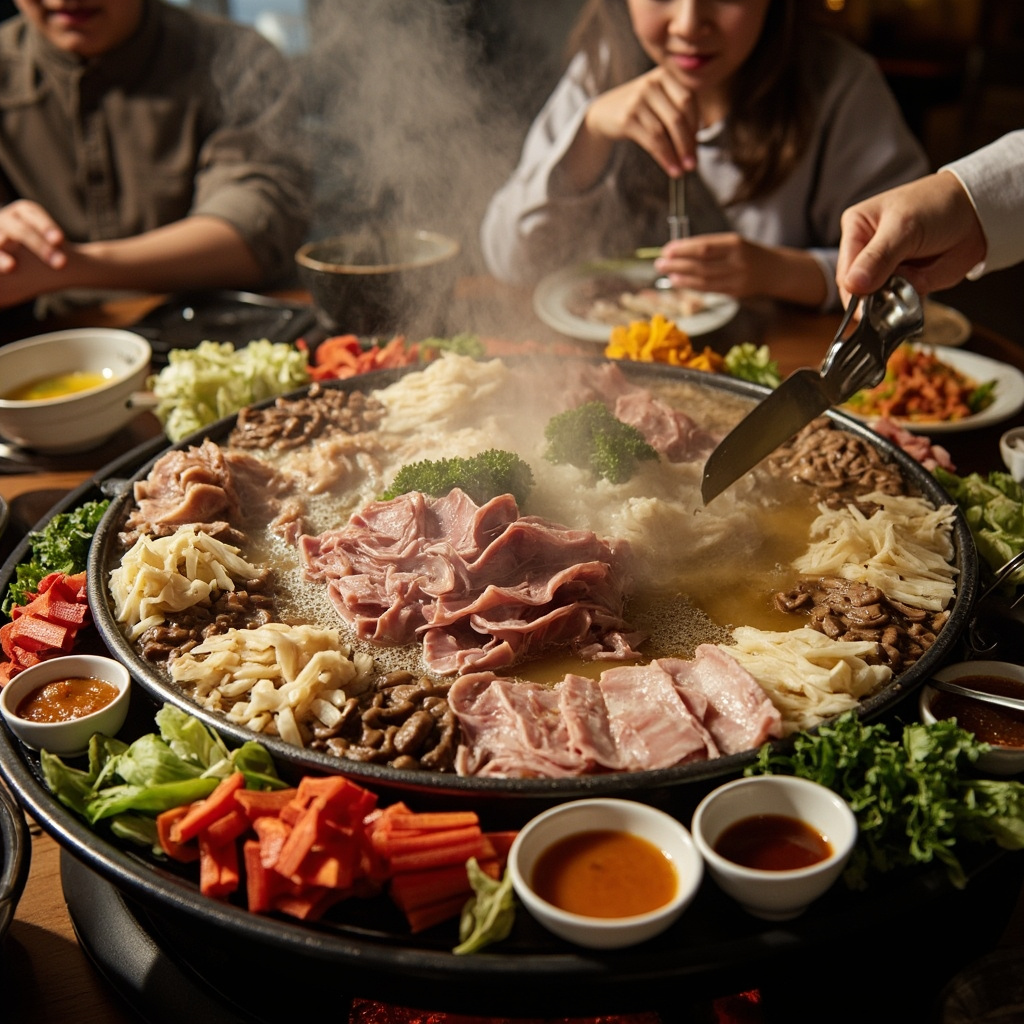
If you have ever wondered why Chinese people love hot pot so much, you are not alone. Hot pot is more than just a meal in China – it is a cultural phenomenon that has been bringing people together for nearly 4,000 years. But what is the history of hot pot in China, and why does it remain so important in Chinese culture today?
The Ancient Origins: How Hot Pot History Began
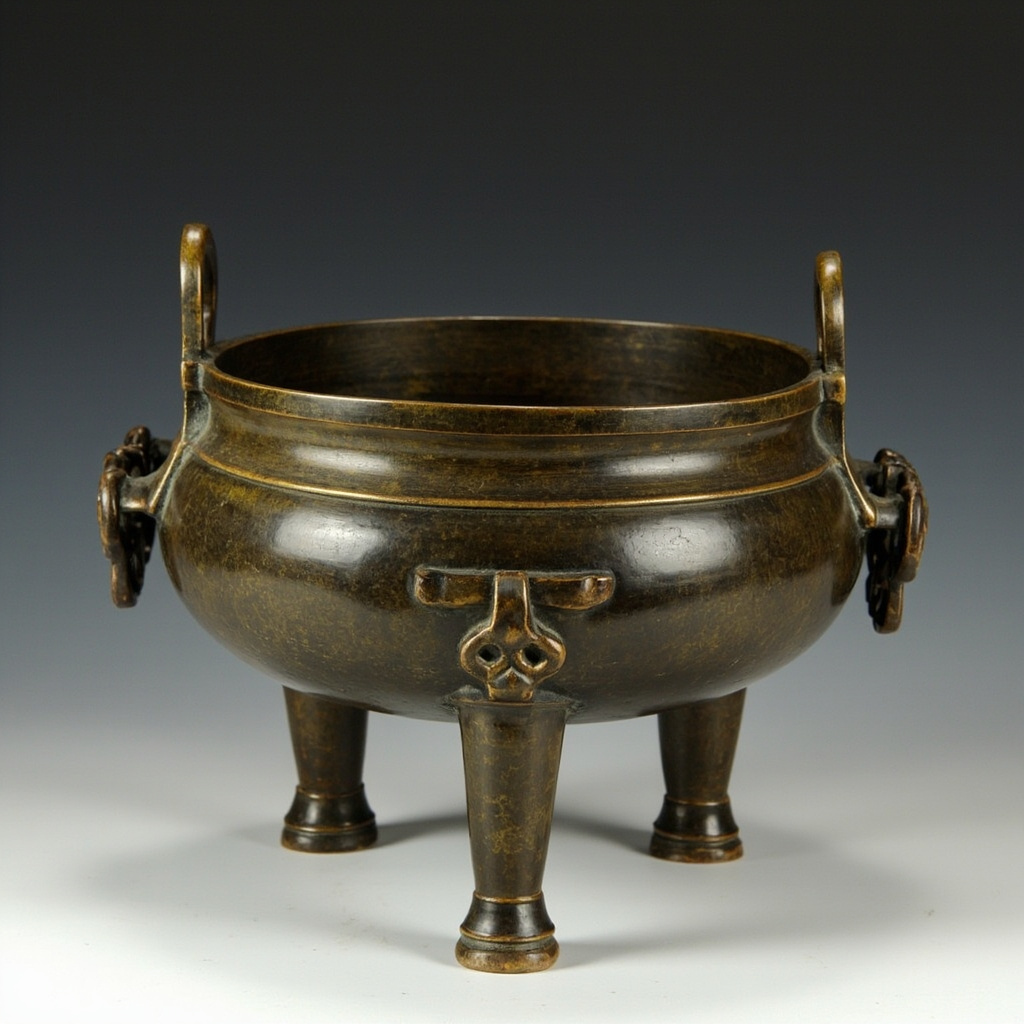
Chinese hot pot history stretches back to the Neolithic period, roughly 3,800 years ago. Archaeologists have found bronze vessels at the Erlitou site in Henan Province that show clear signs of having been used for boiling food – considered the earliest ancestor of modern hot pot.
The word ding originally referred to a three-legged cauldron used for cooking in ancient China. By the Eastern Han Dynasty (25-220 CE), historical records describe a dish called geng – a thick soup cooked by boiling meat and vegetables together at the table. This is the direct ancestor of what we now call hot pot.
During the Three Kingdoms period (220-280 CE), the hot pot cooking method spread across China and began developing regional characteristics. By the Tang Dynasty (618-907 CE), hot pot had become a favorite among royalty and commoners alike – establishing itself as a cornerstone of Chinese food culture.
Why Chinese People Love Hot Pot: More Than Just Food
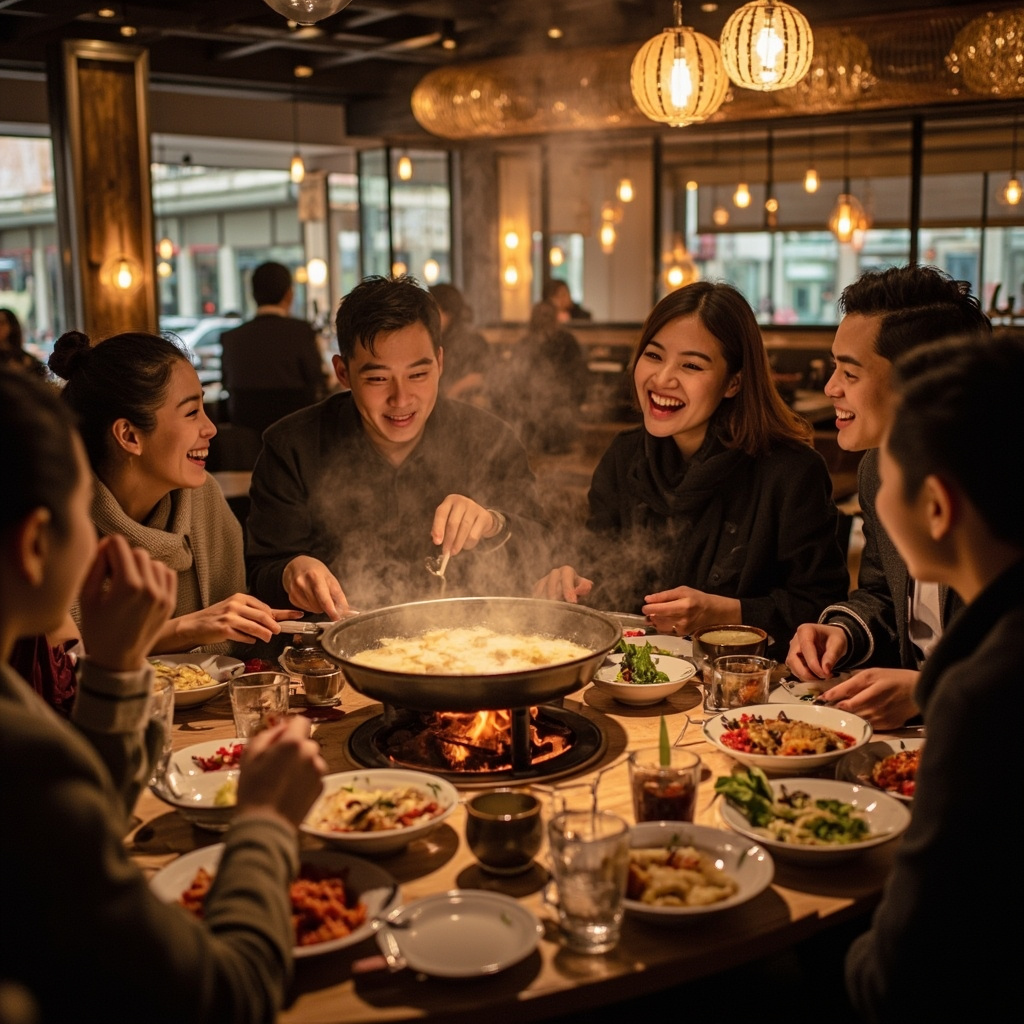
For Chinese people, hot pot represents something deeper than its delicious flavors. Here is why hot pot culture is so beloved:
- Social bonding – Hot pot brings families and friends together around a shared cooking experience
- Customization – Everyone cooks exactly what they want, how they want it
- Year-round appeal – Though especially popular in winter, hot pot is enjoyed in all seasons
- Cultural tradition – It connects modern Chinese people to thousands of years of culinary heritage
- Conversation starter – The communal cooking naturally creates conversation and laughter
Types of Chinese Hot Pot: A Regional Guide
China diverse geography and climate have created fascinating regional hot pot varieties. Here are the most popular types of hot pot you should know about:
- Sichuan Mala Hot Pot – Famous for its numbing and spicy broth, using Sichuan peppercorns and chili oil. The málà sensation numbs the mouth while adding heat – perfect for the damp, cold winters of southwest China. This is arguably the most famous hot pot style internationally.
- Beijing Mutton Hot Pot (涮羊肉) – The classic northern Chinese hot pot, using thin slices of lamb cooked in a clear broth with scallions and ginger. Traditionally served with fermented bean sauce and sesame pancakes.
- Cantonese Seafood Hot Pot – Light, delicate broths that highlight the natural sweetness of fresh seafood. Guangdong people believe the best ingredients need the simplest preparation.
- Guizhou Sour Soup Hot Pot (酸汤) – A tangy, fermented broth unique to southern China. The sourness comes from fermented tomatoes and glutinous rice – a comforting comfort food.
- Yunnan Wild Mushroom Hot Pot – Showcasing the incredible diversity of Yunnan forests, with dozens of edible mushrooms cooked in a simple clear broth.
Chinese Hot Pot Etiquette: Do Not Make This Mistake
If you are new to hot pot, here is some Chinese hot pot etiquette to keep in mind:
- Use the communal utensils – Never pick directly from the pot with your own chopsticks. Use the serving spoons provided.
- Cook timing matters – Thin meats cook in seconds. Vegetables take longer. Tofu needs care not to fall apart.
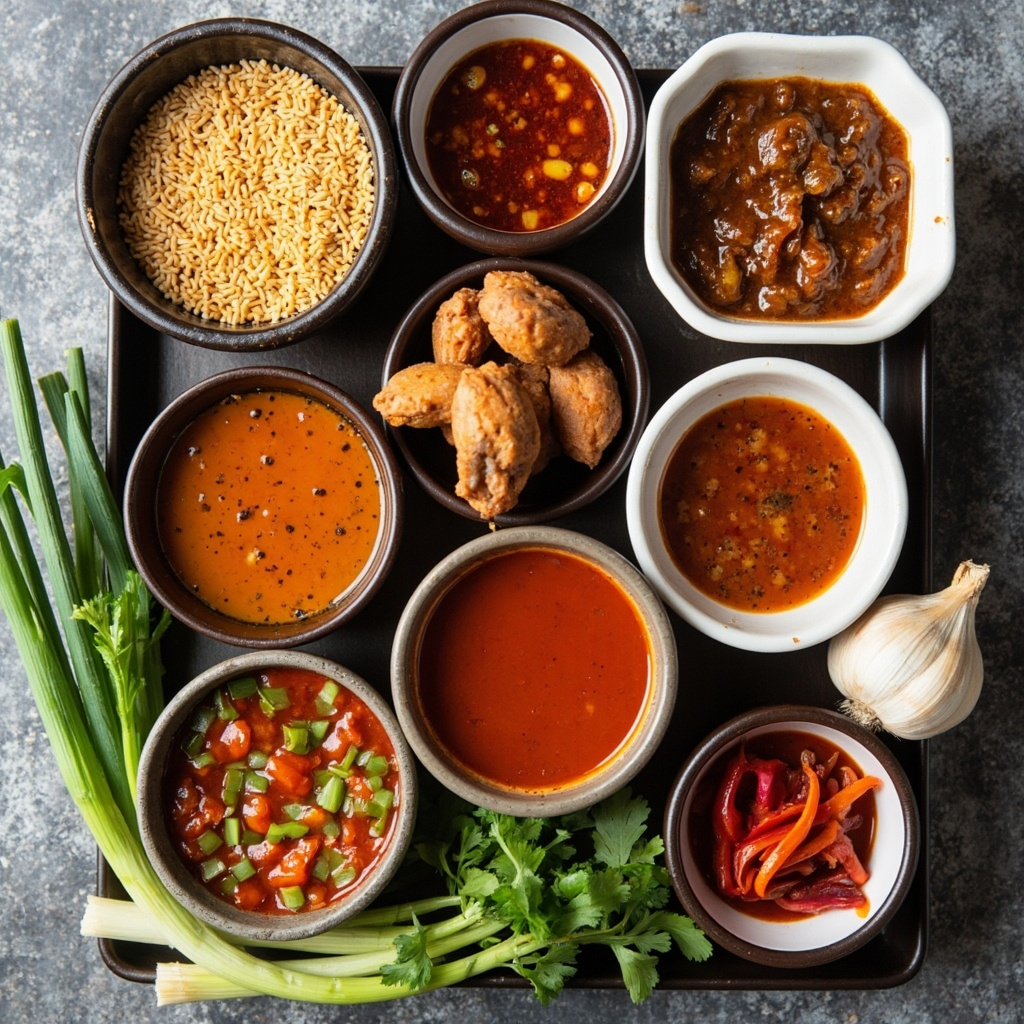
- Build your dipping sauce – Create your own sauce combination while waiting for ingredients to cook. This is part of the fun!
- Respect the shared broth – Do not dump raw ingredients directly into the communal pot.
The Hot Pot Experience: What to Expect
When you sit down at a Chinese hot pot restaurant, here is what typically happens:
- A pot of broth is placed at the center of your table – sometimes with two sections for different broths
- Raw ingredients arrive: thinly sliced meats, fresh vegetables, tofu, mushrooms, and noodles
- You use chopsticks to place ingredients in the boiling broth
- Once cooked, dip your ingredients in your personal sauce mixture
- Enjoy immediately while hot!
Why Hot Pot Spread Globally
In recent decades, Chinese hot pot has spread worldwide. Restaurant chains specializing in hot pot have opened in major cities across America, Europe, and Southeast Asia. The appeal is universal:
- The interactive dining experience
- Customizable flavors for every palate
- The warmth of shared eating
- Beginner-friendly – even if you cook things wrong, they still taste good!
Conclusion: The Heart of Chinese Food Culture
Chinese hot pot is more than a meal – it is a living tradition that connects nearly 4,000 years of history to your dinner table. Whether you are in Beijing, Chengdu, San Francisco, or London, the hot pot experience remains the same: warmth, community, and delicious food shared together.
So the next time you gather around a hot pot, remember – you are participating in one of the oldest and most beloved culinary traditions on Earth.