Why Is Mahjong Such a Popular Game in China?
Why Is Mahjong Such a Popular Game in China?
Let me tell you about a game that 900 million people play.
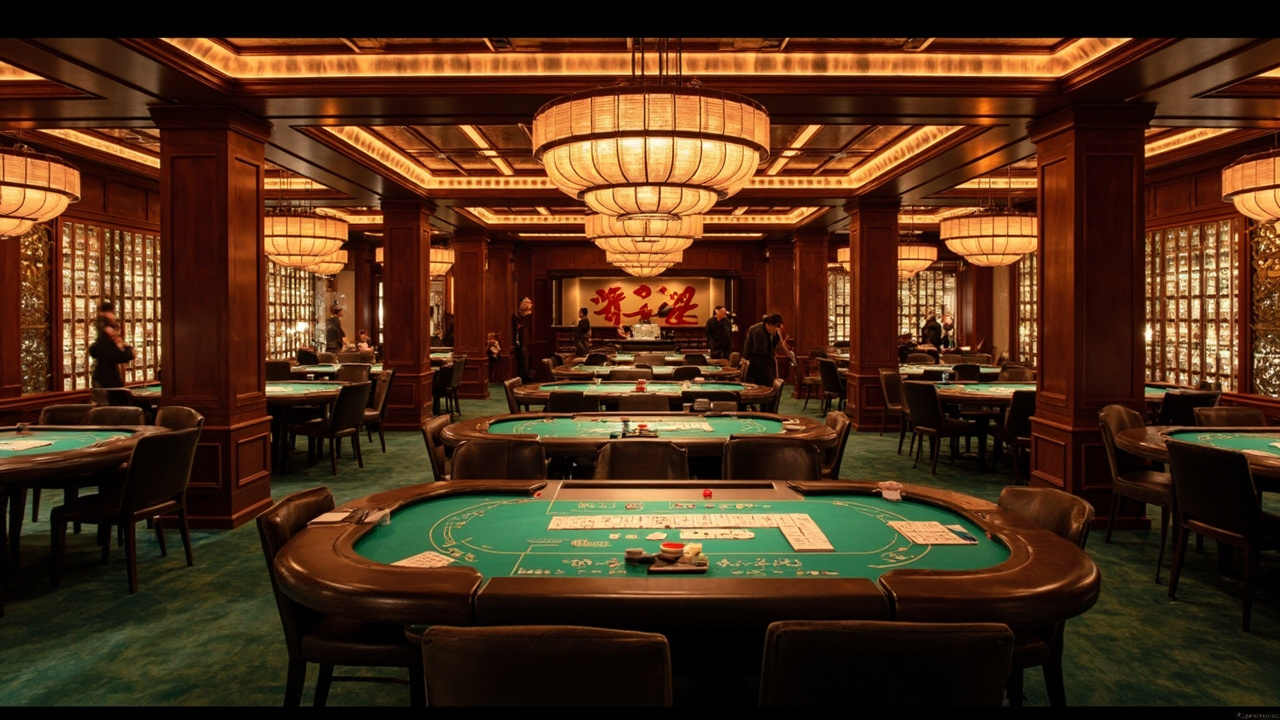
That is not a typo. Approximately 900 million people in China play mahjong regularly. Some estimates put it higher. The game is everywhere. In parks at dawn. In homes on weekends. In gambling parlors late at night.
Walk into any Chinese neighborhood and you will hear the click of tiles. The shuffle of hands. The exclamations of players. Mahjong is not just a game in China. It is a national institution.
Here is why mahjong became the most popular game in the world’s most populous country.
## What Exactly Is Mahjong?
Here is the first thing to understand: mahjong is not just one game.
It has many variations. Regional rules differ. Tile designs vary. Scoring systems change from province to province. What is played in Sichuan is not exactly what is played in Hong Kong or Taiwan.
But the core is the same. Players draw and discard tiles, trying to form specific combinations. The goal is to complete a hand before opponents. Strategy, memory, and luck all play roles.
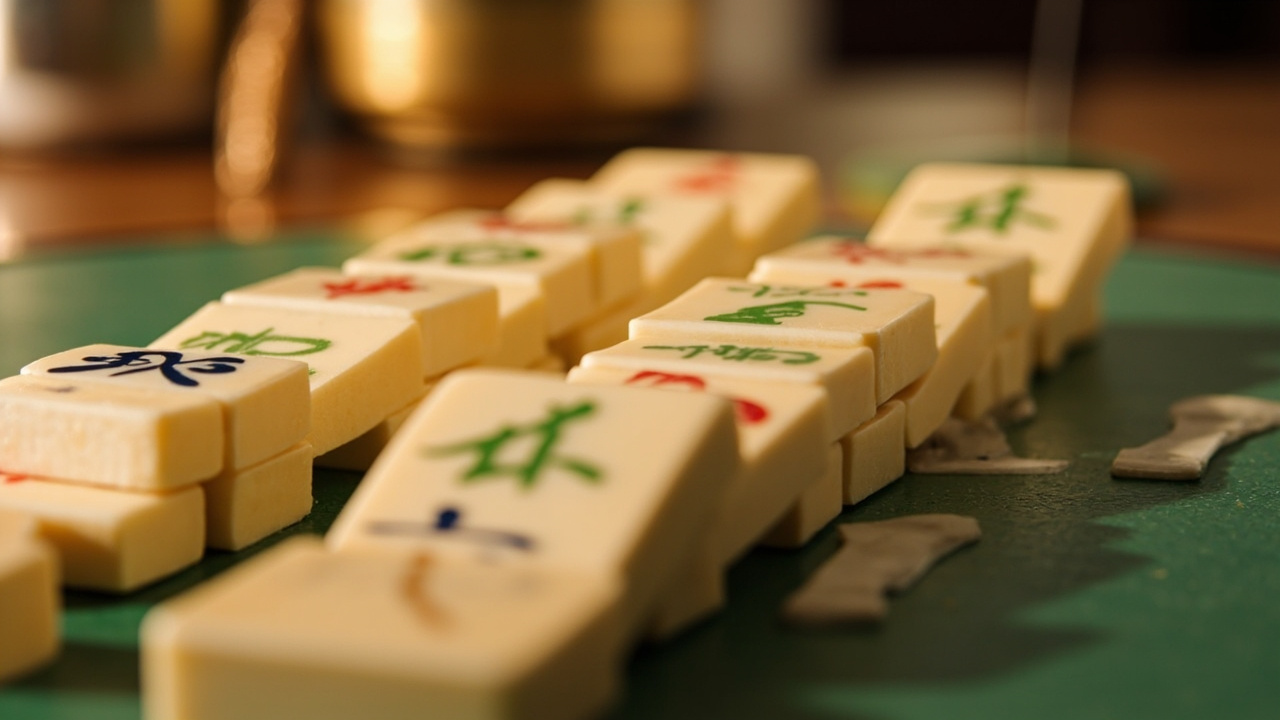
The tiles themselves are small rectangles, usually about 3 centimeters wide. They are made of bamboo, bone, or ivory. Each tile has symbols or characters printed on it. There are dots, bamboo sticks, Chinese characters, winds, and dragons. The set contains 144 tiles in total.
The game requires a table, ideally four players, and hours of free time. Once a game starts, it can last for hours. This is not a quick distraction. It is a commitment.
## The Historical Roots
Here is the story that many Chinese people tell: mahjong is ancient.
The game traces its roots to the Ming Dynasty, which ruled China from 1368 to 1644. Some claim earlier origins, perhaps during the Tang Dynasty. But the Ming is where reliable historical records begin.
The name itself tells a story. Mahjong comes from the Chinese word maque, which means sparrows. Some say the tiles were named after birds. Others say the flapping of tiles sounds like birds.
What is certain is that by the late 19th century, mahjong had spread from elite salons to common households. By the 20th century, it was everywhere.
The Communist period brought restrictions. Gambling was officially discouraged. But mahjong itself survived. Families played for points, not money. The social bond remained even when stakes were lowered.
After economic reforms began in the 1980s, mahjong exploded. Gambling venues reopened. Competition leagues formed. Digital versions appeared. The game had never been more popular.
## The Social Glue
Here is what makes mahjong essential in Chinese society: it is social.
Playing mahjong requires four people. This means four people must gather, sit together, and interact for hours. In a society where busy schedules and mobile phones increasingly isolate people, mahjong forces connection.
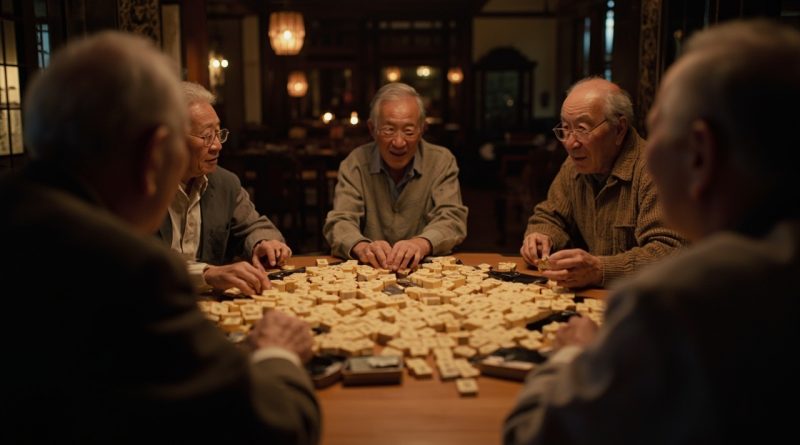
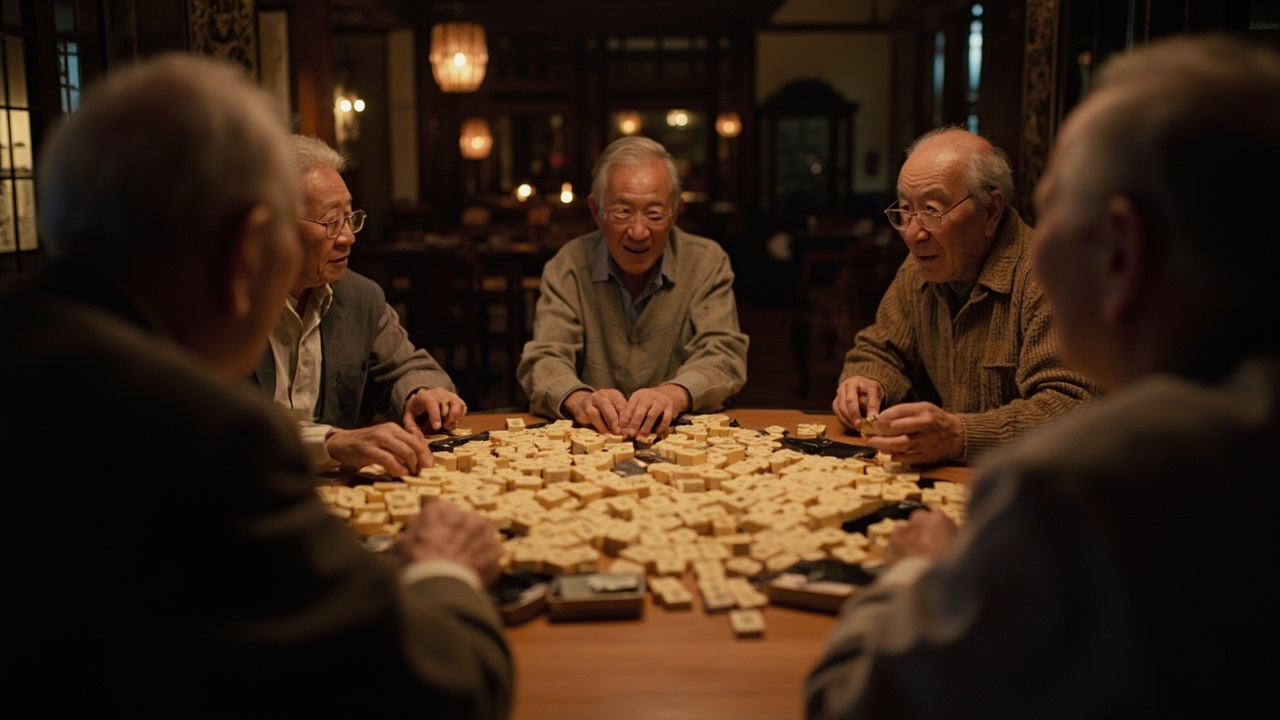
Elderly Chinese people often play every day. Morning sessions in parks are common. Groups of retirees meet, play, and gossip for hours. The game gives structure to their social lives.
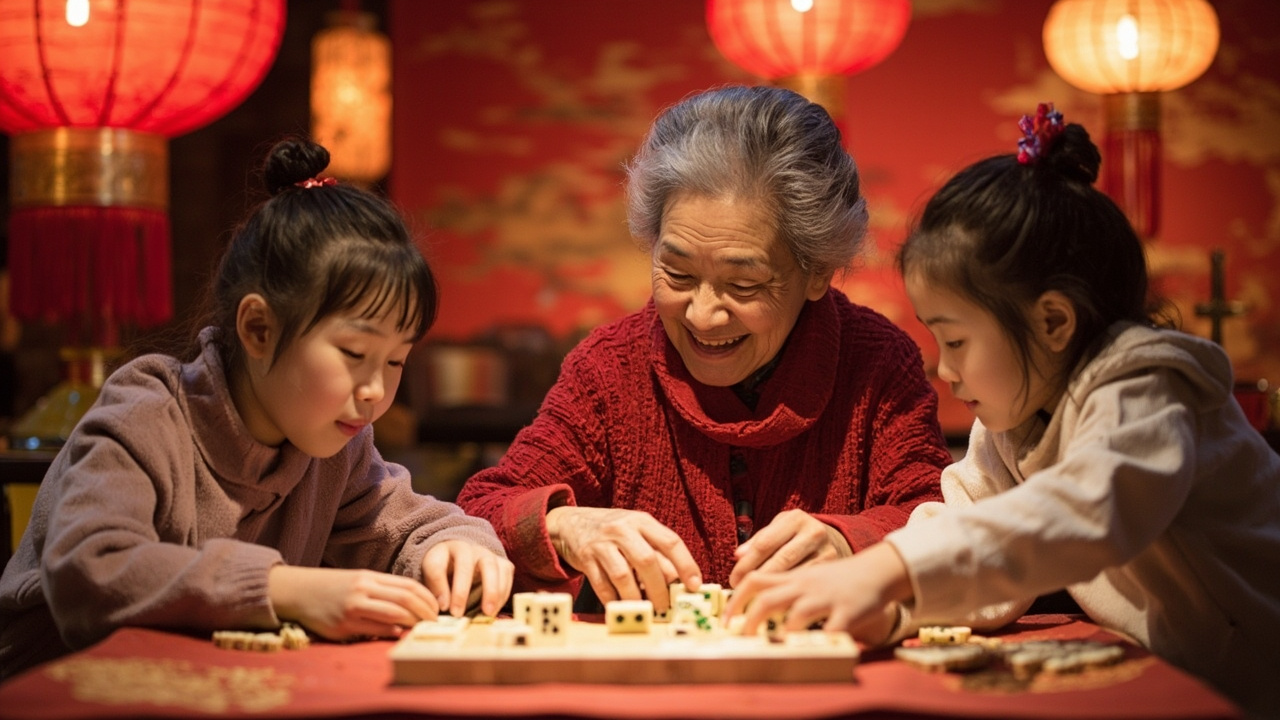
Family mahjong sessions are legendary. Holidays bring generations together around the table. Grandparents teach grandchildren. Family stories are shared. Bonds are reinforced.
Workplace mahjong is also common. Business deals are discussed over tiles. Colleagues become friends through games. The mahjong table is a social space in a culture that values relationship building.
This social function explains why mahjong persists despite the rise of digital entertainment. Nothing replaces sitting across from friends, looking them in the eye, and playing a game together.
## The Gambling Connection
Here is the uncomfortable truth: mahjong and gambling are closely linked.
While people play mahjong for entertainment, money often changes hands. Small stakes make games more exciting. Large stakes create real financial risk.
Gambling addiction is a recognized problem in China. Mahjong is often the carrier. Some families have been ruined by gambling debts. Some individuals have lost everything.
The government has tried to regulate gambling. It is technically illegal except in designated areas like Macau. But enforcement is inconsistent. Underground gambling parlors operate in most cities.
What this means is that mahjong carries a shadow. The game itself is harmless. But the gambling element adds risk.
## The Digital Revolution
Here is what has transformed mahjong in recent years: smartphones.
Digital mahjong apps have exploded in popularity. Platforms like Tencent Mahjong, Huang Gang, and others have hundreds of millions of users. Playing mahjong on your phone is now more common than playing at a physical table.
The appeal is obvious. You can play anytime, anywhere. You do not need to gather four people in the same room. The matchmaking system finds opponents for you.
But digital mahjong is controversial. Critics say it removes the social element. You are playing against strangers on a screen. You are not sitting with friends and family.
Defenders say digital platforms have introduced new people to the game. Young people who never learned mahjong now play on phones. The game is being preserved and spread through digital means.
Both views have merit. The truth is that digital mahjong has changed how Chinese people relate to the game. It is more accessible than ever. It is also less social than traditional play.
## The Regional Variations
Here is something that surprises outsiders: mahjong is not uniform.
Sichuan mahjong is famous for its unique rules. It removes all wind tiles and some other combinations. This creates a faster-paced game with different strategy requirements.
Hong Kong mahjong has its own scoring system. It is more complex than mainland versions. Serious players spend years mastering it.
Taiwanese mahjong adds another layer of sophistication. Japanese mahjong, while related, has evolved in distinctly different directions.
These variations mean that mahjong enthusiasts can never truly claim mastery. Travel across China and you encounter different games. Each region has its own community, its own traditions, its own debates about correct rules.
## The Cultural Meaning
Here is what mahjong represents beyond the game itself: Chinese values.
The game rewards patience. Rushing leads to mistakes. Careful deliberation is valued over impulsive action. These are traditional Chinese virtues.
The game requires social skills. Reading opponents. Managing relationships. Balancing competition with politeness. These are essential Chinese competencies.
The game involves luck and skill. No amount of strategy guarantees victory. Sometimes you draw what you need. Sometimes you do not. This reflects the Chinese understanding of fate and human effort.
The game connects generations. Grandparents and grandchildren can play together. The young bring energy. The old bring experience. Both contribute to victory.
These cultural meanings are why mahjong is more than entertainment. It is a practice of Chinese identity.
## The Time Investment
Here is what demands respect: mahjong takes time.
A typical session lasts three to five hours. Some games go on much longer. In a country where time is increasingly scarce, mahjong represents a significant commitment.
This time investment is itself a statement. Choosing to spend hours at a mahjong table means choosing face-to-face interaction over other activities. It means prioritizing the present moment over productivity.
For elderly players, mahjong provides structure. Morning mahjong. Afternoon mahjong. Evening mahjong. The game fills retirement days with purpose and social contact.
For busy professionals, mahjong is a rare opportunity to disconnect. Phones are put away. Work is forgotten. Only the game and the companions matter.
For families, mahjong sessions create memories. Children remember learning from grandparents. Adults remember competing with cousins. These memories become part of family lore.
## The Global Spread
Here is what is happening beyond China: mahjong is going global.
Chinese diaspora communities brought the game everywhere. Mahjong parlors exist in major cities worldwide. Chinese immigrants maintain the tradition in foreign lands.
More recently, non-Chinese people have started playing. Western players appreciate the complexity. The game offers intellectual challenge different from Western board games.
Digital platforms have accelerated global adoption. Anyone with a smartphone can learn. Tutorials and AI opponents make entry easy.
This global spread is still limited. Mahjong remains primarily a Chinese game. But it is becoming more known worldwide.
## The Truth
So why is mahjong such a popular game in China?
Because it is social in an increasingly isolated society. Because it connects generations in a culture that values family. Because it has historical roots that stretch back centuries. Because regional variations keep it fresh. Because gambling adds excitement. Because smartphones made it more accessible. Because it represents Chinese values of patience, skill, and relationship building.
Because for 900 million people, mahjong is not just a game. It is how they bond with family. It is how they spend retirement. It is how they connect with friends. It is how they preserve traditions in a changing world.
The next time you see a group of elderly Chinese people playing tiles in a park, do not see a simple game. See a practice of culture. See relationships being maintained. See history being continued.
See why mahjong will remain popular in China for generations to come.