Why Is Mobile Payment So Popular in China?
Why Is Mobile Payment So Popular in China?
Let me tell you about something that has made cash almost obsolete in China: mobile payment.
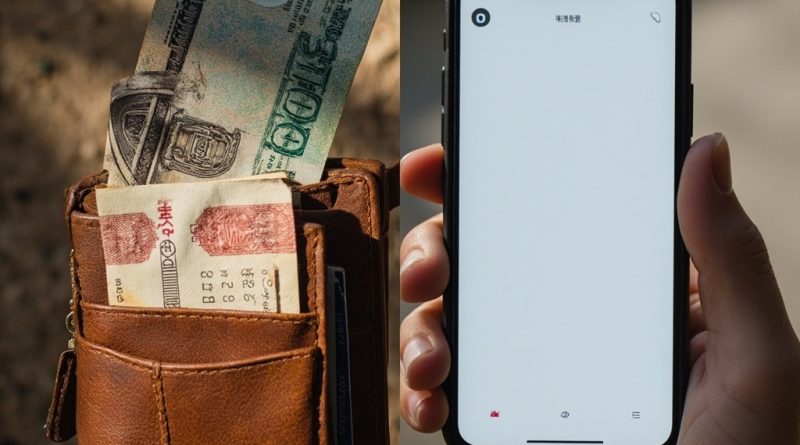
In my grandmother’s time, people carried wallets full of cash. In my parents’ time, they carried bank cards. In my time, I carry only my phone.
Foreigners visit China and are amazed: you can buy anything with your phone. Street food. Taxis. Rent. Even donations to monks. No cash needed. No cards needed. Just scan and pay.
Here is why mobile payment took over China so completely.
## We Skipped the Card Phase
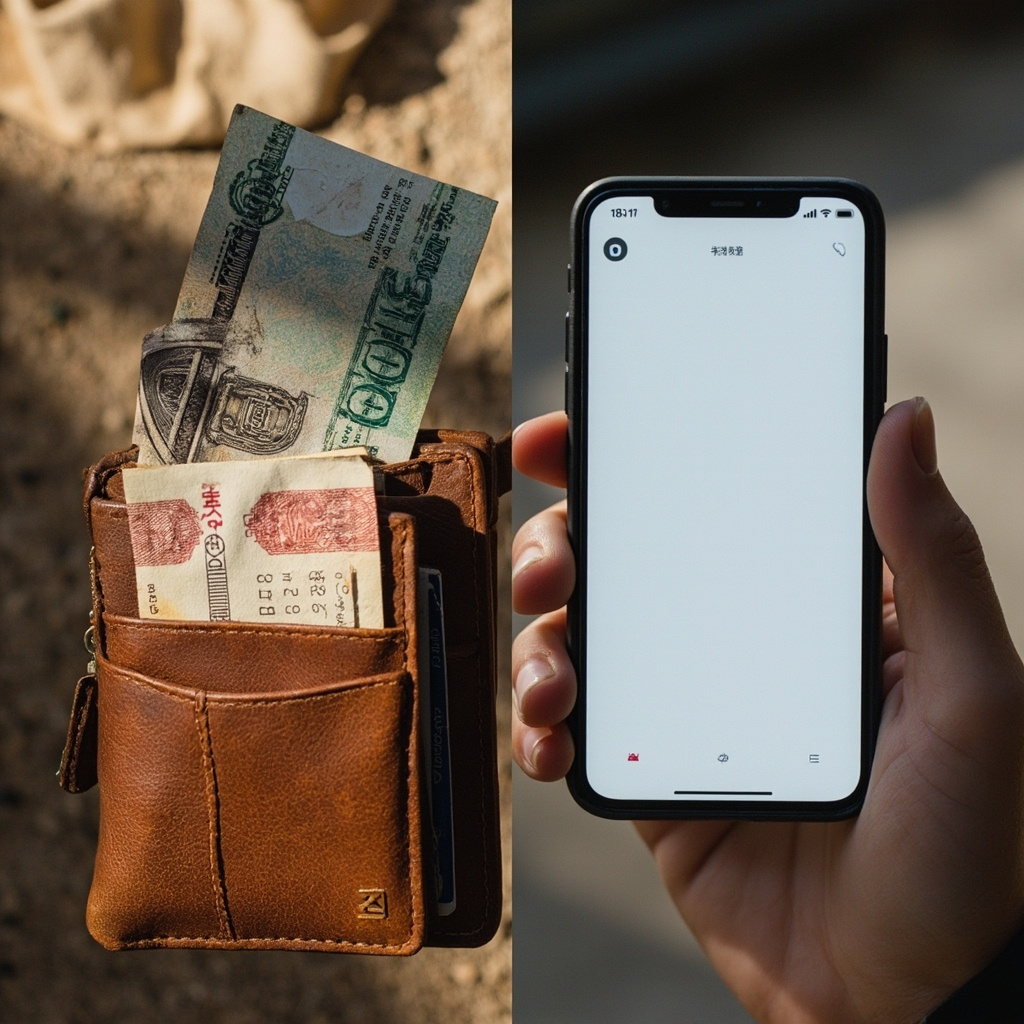
Here is something foreigners do not always understand: we did not replace cash with cards. We replaced cash with phones.
In America, credit cards came first. Then debit cards. Then Apple Pay. Each step built on the previous one.
In China, many people never got credit cards. Many people still do not have bank accounts. But almost everyone has a phone.
When mobile payment arrived, it did not need to compete with established card infrastructure. It went straight from cash to phones.
This is why adoption was so fast. We did not need to change habits built over decades of card usage. We just needed to add a new app to the phone we already carried.
## Trust in Technology
Here is the second reason: we trusted the technology.
When Alipay launched in 2004 and WeChat Pay in 2013, we were willing to try them. We saw the convenience. We saw the security features. We saw that other people were using it.
In China, when a new technology works and seems safe, we adopt it fast. We do not wait for perfect solutions. We adopt, learn, and improve.
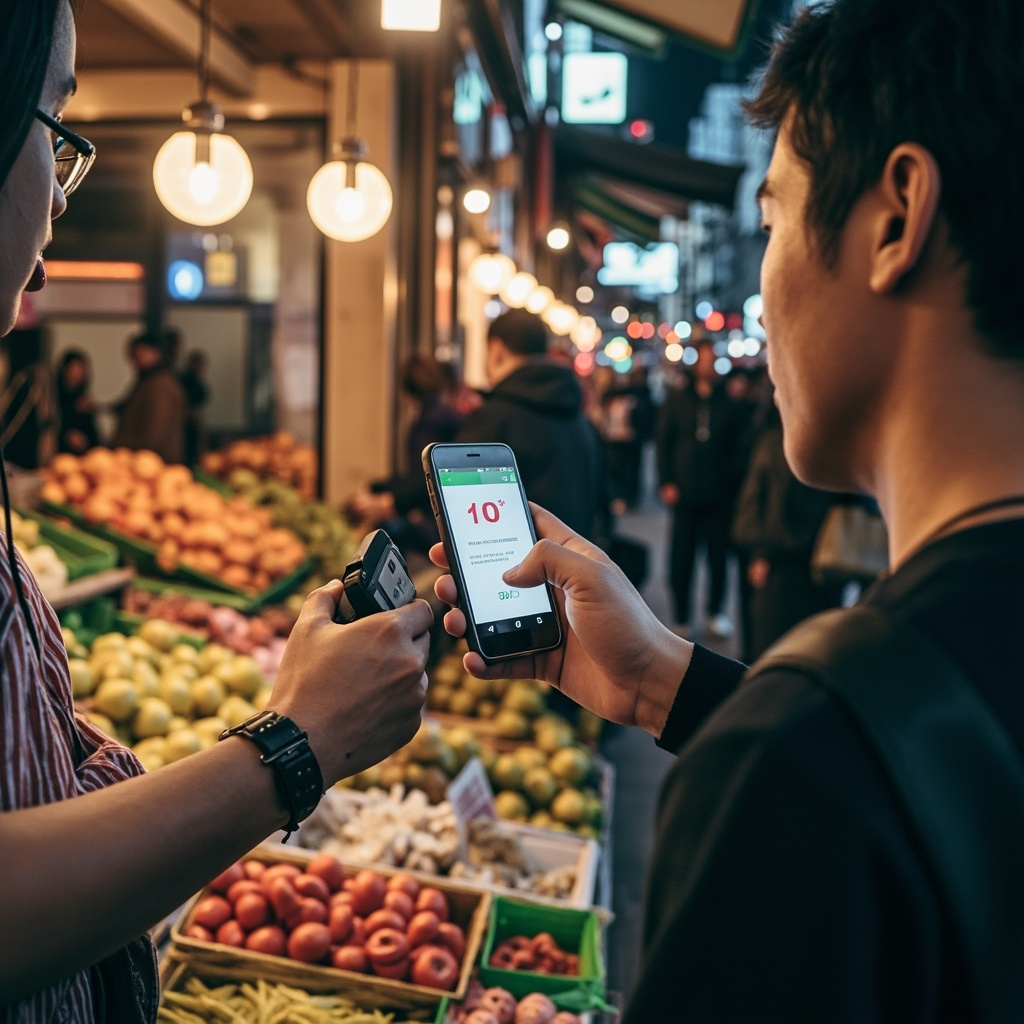
My parents, who barely used smartphones five years ago, now pay for everything with WeChat. My grandmother uses her phone to buy vegetables at the market. This is not special. This is normal.
## The Small Business Revolution
Here is the third reason: mobile payment helped small businesses.
Before mobile payment, small vendors had problems with cash. They needed to make change. They risked theft. They could not track sales easily.
With mobile payment, none of this is a problem. The money goes directly to their account. No cash to lose. No need for change. Complete records of every transaction.
Street vendors, small restaurants, neighborhood shops: they all adopted mobile payment because it solved real problems. It was not about being modern. It was about being practical.
## The Convenience Factor
Here is the obvious reason: it is convenient.
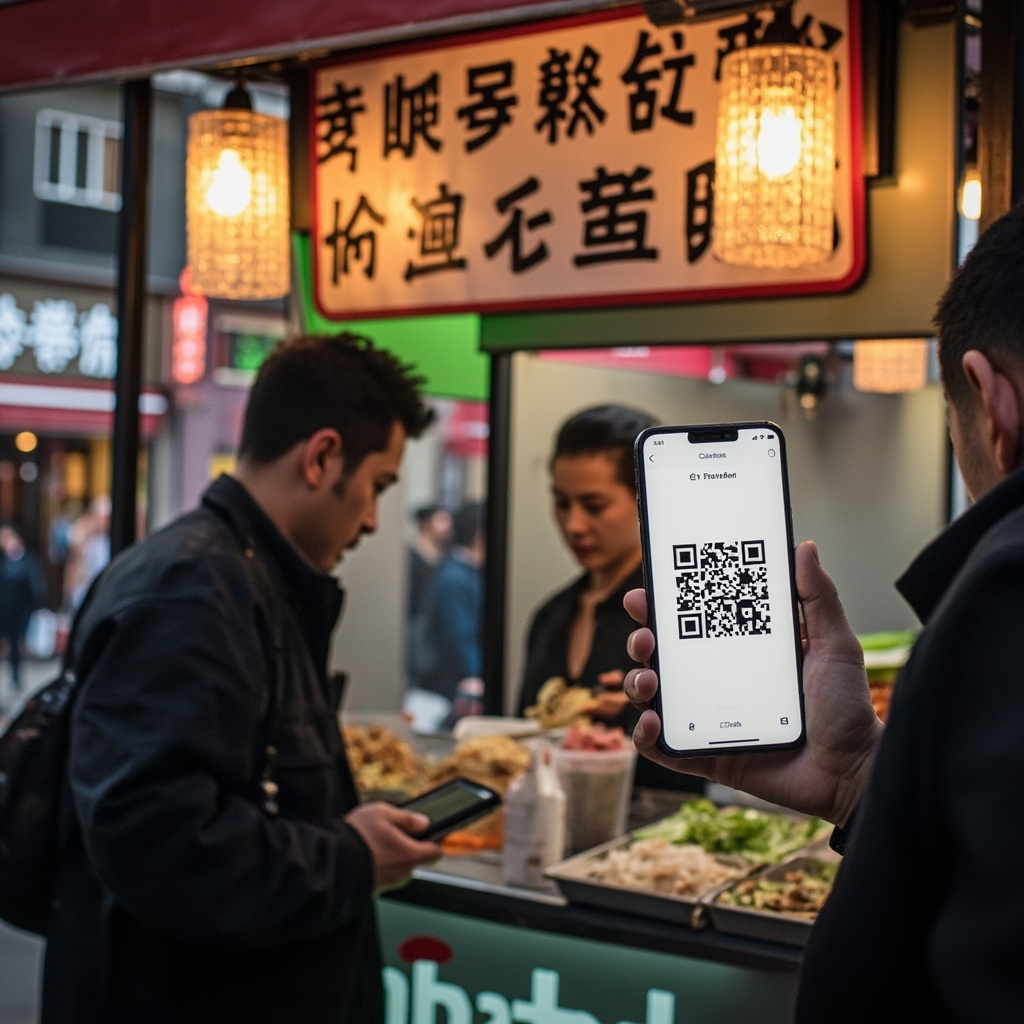
You do not need to find an ATM. You do not need to carry cash. You do not need to count change. You just scan a code and the payment is done in seconds.
In China, time is valuable. We do not want to waste time on unnecessary steps. Mobile payment is faster than cash. It is faster than cards. It is the most efficient option.
When I go to buy breakfast, I scan the QR code, confirm the amount, and walk away with my food. Thirty seconds, no cash, no waiting for change.
## The Social Integration
Here is something foreigners find surprising: mobile payment is social.
WeChat Pay is built into WeChat, the same app we use to message friends and family. When we want to split a bill, we do it in the chat. When we want to send money to family, we do it instantly.
Red envelopes moved from physical cash to digital. Now grandparents send money to grandchildren through WeChat. Birthday gifts travel instantly across the country.
This integration made adoption natural. We were already on WeChat. Adding payment was just one more feature.
## The Trust Problem We Solved
In the early days, there was concern: is this safe? What if my phone is stolen? What if someone hacks my account?
Mobile payment companies responded with security. Verification codes. Fingerprint recognition. Face ID. Risk control systems that flag unusual activity.
Most importantly, they offered insurance. If something goes wrong, you get your money back.
This trust infrastructure made people comfortable. When you know you are protected, you are willing to take risks.
## Why It Stuck
So why did mobile payment stick in China when it did not in other countries?
Because it solved real problems. Because it was convenient. Because we trusted the technology. Because our existing financial infrastructure had gaps that mobile payment filled.
Because once everyone was using it, not using it became inconvenient. When your vendor only accepts WeChat Pay, you need WeChat Pay. When your friends split bills through mobile, you need mobile payment.
This is network effects. The more people use it, the more valuable it becomes for everyone.
## The Truth
So why is mobile payment so popular in China?

Because we leapfrogged the card phase. Because we trust technology when it works. Because small businesses needed solutions. Because convenience wins. Because it became the new normal faster than anyone expected.
The next time someone asks you why China is so far ahead in mobile payment, tell them: because sometimes being behind means you can skip ahead. Because we did not have old infrastructure to protect. Because when 1.4 billion people decide something is convenient, it becomes the standard.
And because in a country that moves fast, the slowest step is the one you eliminate.
