Why Is Ping Pong the National Sport of China?
Why Is Ping Pong the National Sport of China?
Let me tell you about a country that has won 37 Olympic gold medals in a single sport.
That country is China. That sport is table tennis.
China has dominated table tennis at the Olympics like no country has dominated any other sport. They have won gold in men’s singles, women’s singles, men’s doubles, women’s doubles, and mixed doubles. They have done this repeatedly across decades.
But the Olympic medals are just part of the story. Chinese players have won 159 World Championship gold medals. They have won 75 World Cup titles. Their players hold countless world records.
No sport in the modern era shows such consistent national dominance.
Here is why table tennis became China’s national sport.
## Why This Sport Specifically?
Here is the first question: of all sports, why table tennis?
The answer involves history, geography, and politics.
Table tennis arrived in China in the early 1900s through Japanese traders. It spread quickly because it was inexpensive. You needed only a paddle, a ball, and any flat surface. Unlike basketball or football, you did not need tall people or large spaces. You did not need expensive equipment.
This mattered in a country that was still developing. Table tennis could be played in cramped apartments, narrow alleyways, on factory floors. It fit Chinese urban life in ways other sports could not.
The sport also suited Chinese physical characteristics. The agility, precision, and strategic thinking it required aligned with traditional Chinese values about skill over brute force.
## The Diplomatic Breakthrough
Here is the moment that elevated table tennis to national importance: the ping pong diplomacy.
In 1971, the Chinese Table Tennis Team invited American players to Beijing. This was during the Cold War, when American and Chinese teams almost never interacted. The invitation was a surprise.
The visit led to meetings between American and Chinese officials. It led to cultural exchanges. It became known as ping pong diplomacy, and it was a crucial step in normalizing relations between the United States and China.
The image was powerful. The same sport that was played in community centers and school gyms was now a tool of international diplomacy. China used table tennis to signal openness to the world.
After this, table tennis was not just a game. It was a symbol of China’s re-emergence onto the global stage.
## The Systematic Approach
Here is what separates Chinese table tennis from everyone else: the system.
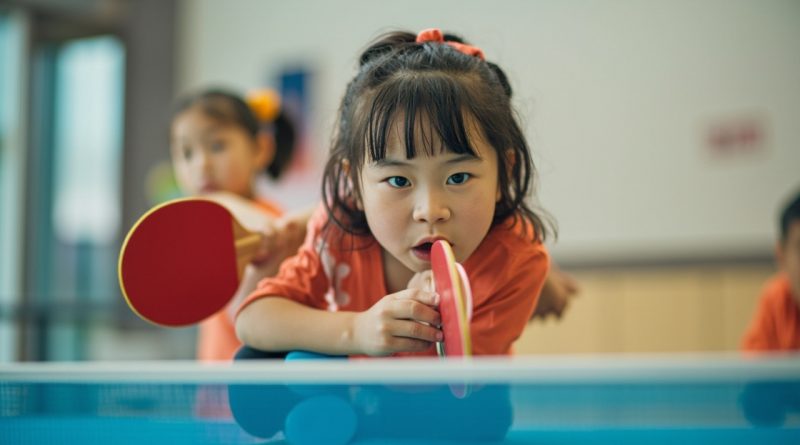
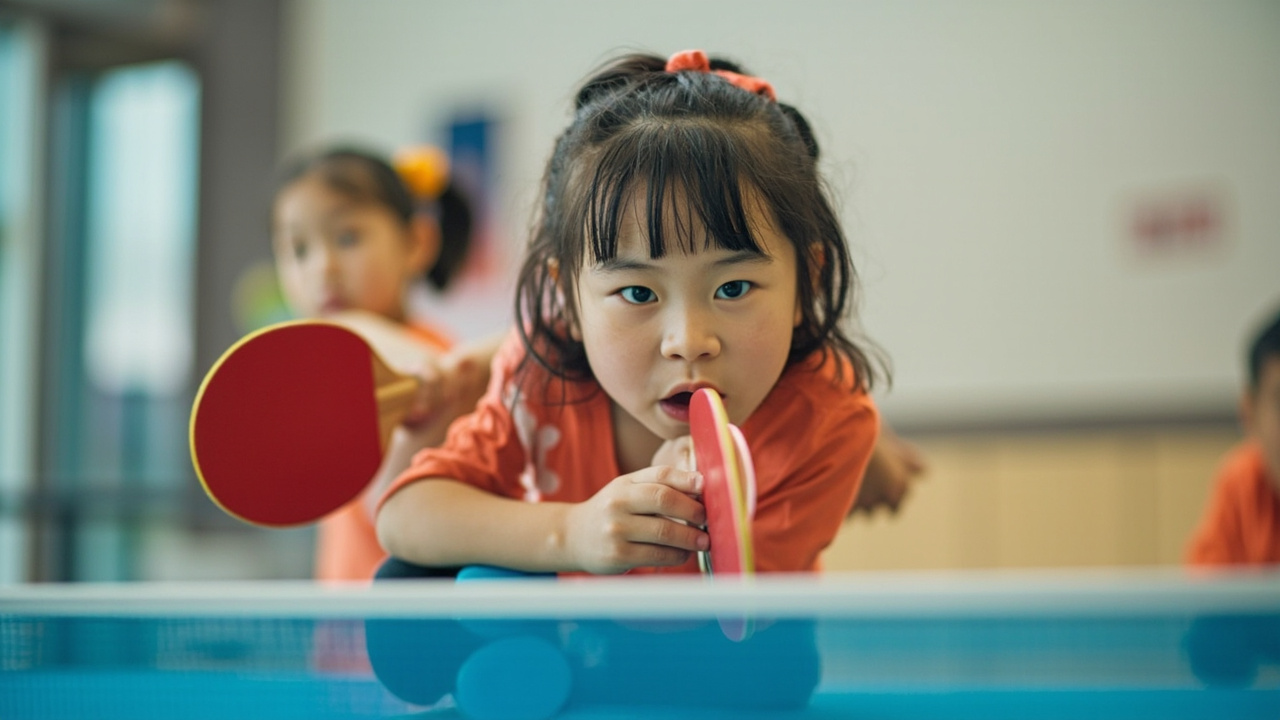
China developed a national training program for table tennis that is unmatched anywhere in the world. Children as young as five are identified for talent. They enter specialized academies. They train for hours every day.
The system produces champions with remarkable consistency.
Ma Long, considered by many to be the greatest table tennis player of all time, has won 30 world championship titles. Thirty. That is more than any other player in history.
Fan Zhendong, currently ranked among the top players, trains under conditions that would be considered extreme by Western standards. Multiple training sessions per day. Physical conditioning. Mental preparation. Tactical analysis of opponents.
The investment is enormous. The expectations are enormous. The pressure is enormous.
And the results speak for themselves.
## The Culture of Excellence
Here is what outsiders find difficult to understand: table tennis excellence is a matter of national pride in China.
When Chinese players compete internationally, the entire country watches. Victory is celebrated. Defeat is analyzed, debated, and mourned.
The standard is not just winning. It is dominance. When China sends a team to a major tournament, the expectation is gold in every event. Anything less is considered a failure.
This culture creates pressure that Western athletes rarely experience. It also creates support that Western athletes rarely receive.
Chinese table tennis players have access to the best coaches, the best facilities, the best equipment. They have sports psychologists, nutritionists, and conditioning specialists. They have the full backing of a sports system designed to produce champions.
## The Grassroots Revolution
Here is what sustains Chinese dominance: the grassroots participation.
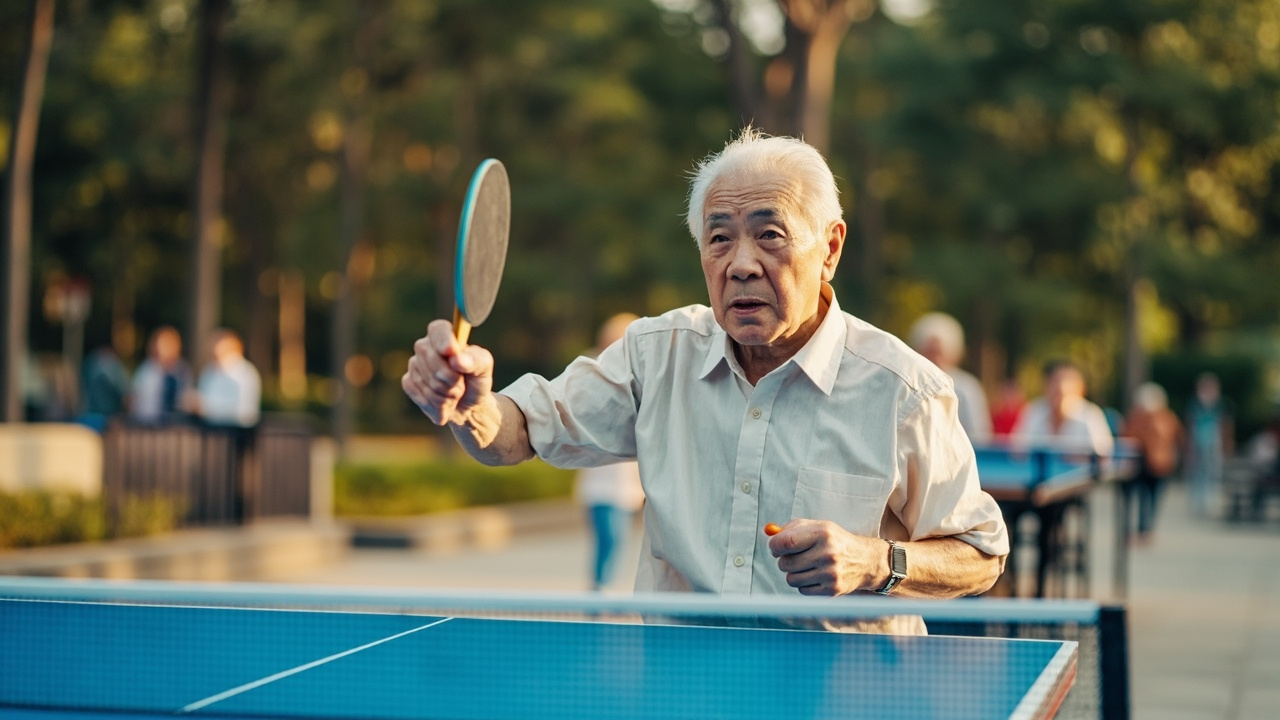
Over 10 million Chinese people play table tennis regularly. The sport is played in schools, parks, community centers, and workplaces. It is the most popular recreational sport in the country.
In contrast, table tennis is a marginal sport in America and most Western countries. It is played occasionally at parties or in basements. It is not taken seriously as a competitive sport.
This difference in participation creates a larger talent pool. More children playing means more elite players emerging. More recreational players means more pathways to professional careers.
China has 1.4 billion people. Even a small percentage of talented players produces a massive competitive pool. The system selects the best and pushes them to excellence.
## Why Others Cannot Catch Up
Here is the frustrating reality for other nations: closing the gap is nearly impossible.
Other countries do not have China’s combination of factors. They lack the systematic training programs. They lack the grassroots participation. They lack the cultural emphasis on the sport.
Some countries have tried to import Chinese coaching methods. China has responded by tightening control over its coaching expertise. Chinese coaches rarely work abroad for extended periods.
The equipment advantage also matters. Chinese manufacturers produce the highest quality table tennis equipment in the world. Top players worldwide use Chinese-made paddles and balls. The technology advantage reinforces the competitive advantage.
And perhaps most importantly, China has a head start of decades. The dominance compounds over time. Each generation of Chinese players builds on the achievements of the previous generation.
## The Mental Advantage
Here is what separates Chinese players at the highest level: the mental game.
Chinese table tennis players are trained to be tactically sophisticated. They learn to read opponents, adapt strategies, and perform under pressure from an early age.
Western players often struggle with the mental aspects of the game. They may have equal or superior physical skills. But when the match is on the line, Chinese players tend to win.
This mental strength is cultivated through the training system. Young players compete constantly. They learn to handle pressure, to recover from defeat, to maintain focus.
The result is players who are almost impossible to rattled. They have seen everything. They have prepared for everything. They have the confidence that comes from systematic preparation.
## The Legacy of Champions
Here is what ensures continuity: the champion ecosystem.
When Chinese champions retire, they often become coaches. They transmit their knowledge to the next generation. The wisdom of past champions guides future champions.
This creates a lineage of excellence. Each generation adds to the collective knowledge. The sport evolves, and China evolves with it.
Ma Long learned from previous champions. He will teach the next generation. The cycle continues.
Other countries lack this continuity. Champions retire and their knowledge is lost. Systems change. Priorities shift. The institutional memory is difficult to maintain.
## The Future of Chinese Table Tennis
Here is what is certain: Chinese dominance will continue.
The pipeline of talent is robust. Young players are emerging constantly. The system continues to refine its methods. The investment continues to grow.
Other countries have not given up. They are trying new approaches. They are developing their own systems. But the gap remains large.
At major international tournaments, Chinese players remain the favorites in every event. They are consistently reaching finals. They are consistently winning medals.
This is not likely to change anytime soon.
## The Truth
So why is ping pong the national sport of China?
Because it arrived at the right time in history. Because it fit Chinese society. Because it became a tool for diplomacy. Because the system produces champions. Because the culture demands excellence. Because millions play it recreationally. Because the mental game is as strong as the physical game.
Because for over 50 years, China has invested in table tennis at every level. From neighborhood courts to Olympic podiums. From children’s academies to professional leagues.
The 37 Olympic gold medals are not accidents. They are the result of decades of systematic development.
The next time you watch table tennis at the Olympics, remember: you are watching the culmination of a national effort. You are watching the result of cultural values, government investment, and grassroots participation.
You are watching China’s national sport.
And you are watching why it will remain that way for generations to come.