Why Is Stinky Tofu So Smelly — and Why Do People Eat It?
Why Is Stinky Tofu So Smelly — and Why Do People Eat It?
Here is a fun game you can play if you ever visit a Chinese night market: walk up to a foreigner and offer them a piece of stinky tofu.
Watch their face.
The ones who have been in China long enough will smile and accept. They have been through the transformation. But the new arrivals? They will take one whiff, take a step back, and wonder what kind of person would voluntarily eat something that smells like a garbage truck had a baby with a toilet.
They are not wrong to be confused. Stinky tofu (臭豆腐, chou doufu) is one of the most aggressively smelly foods on planet Earth. If you bottled the smell and sold it as a weapon, it would probably violate the Geneva Convention.
So why does anyone eat it?
## The Smell Is The Point (Sort Of)
Let me clear something up first: the smell is not accidental. It is not “fermentation gone wrong.” Chinese people actually intend for it to smell this way. This is intentional.
Stinky tofu is fermented — deliberately — in a brine solution that can include fermented milk, vegetables, meat, or all three, for anywhere from a few days to several months. The specific recipes are closely guarded secrets. Different vendors have different methods. Some use pork. Some use shellfish. Some add dried tofu from previous batches to jumpstart the culture.
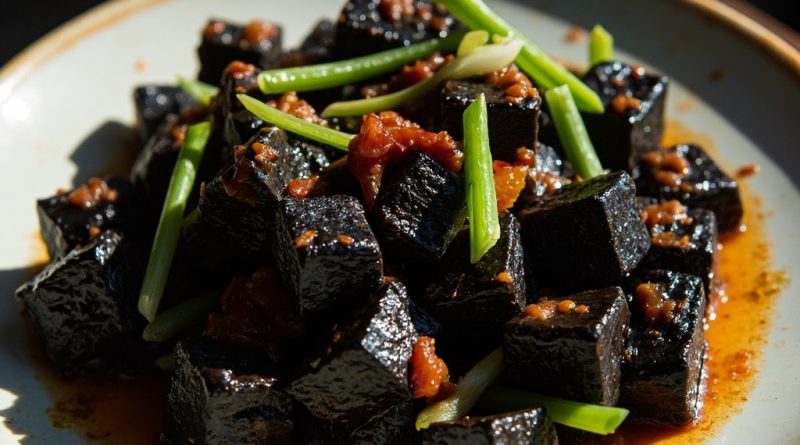
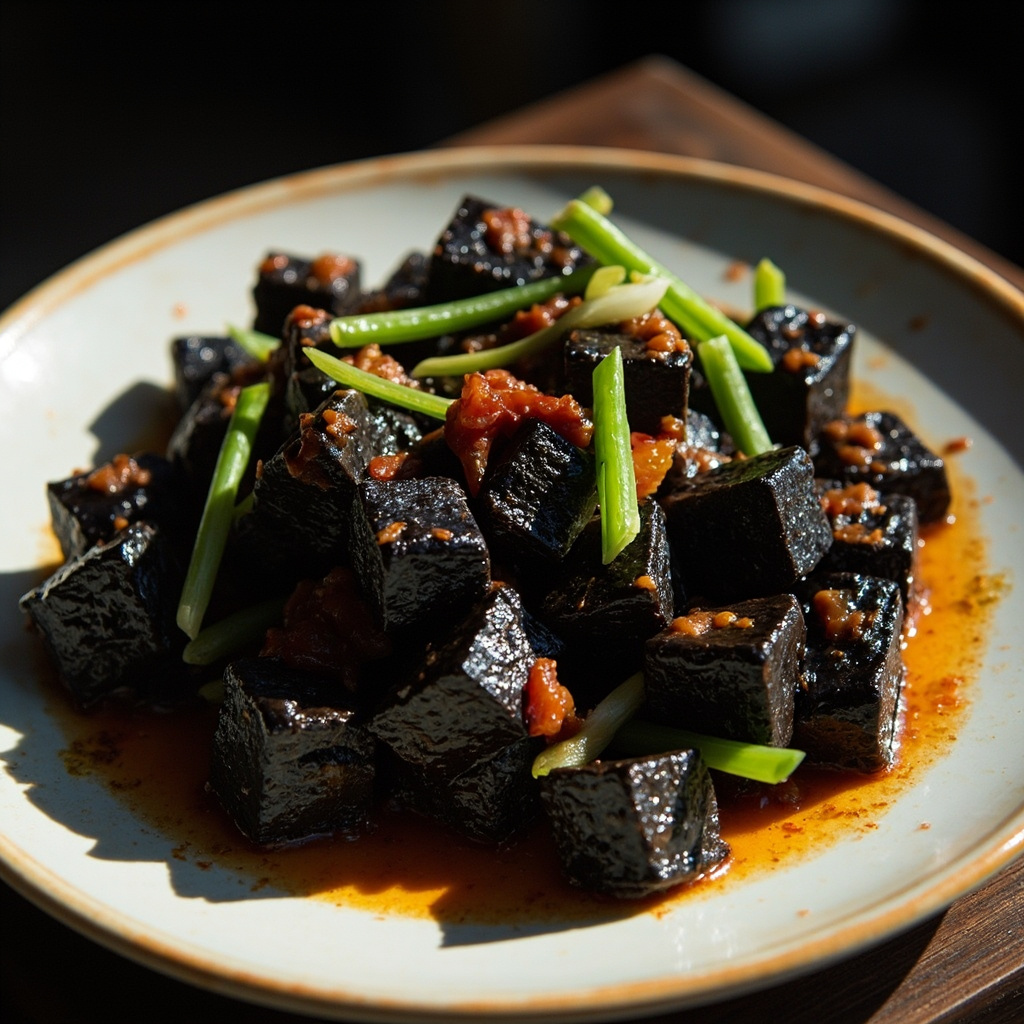
The result is a black or white cube of tofu with a smell that can be detected from thirty feet away.
If you are new to this, your reaction is completely reasonable. But here is the thing: the smell and the taste are not actually related in the way you would expect. Something that smells this terrible should taste equally terrible. Stinky tofu does not follow those rules.
## What It Actually Tastes Like
Okay, so what does it taste like if you are brave enough to try it?
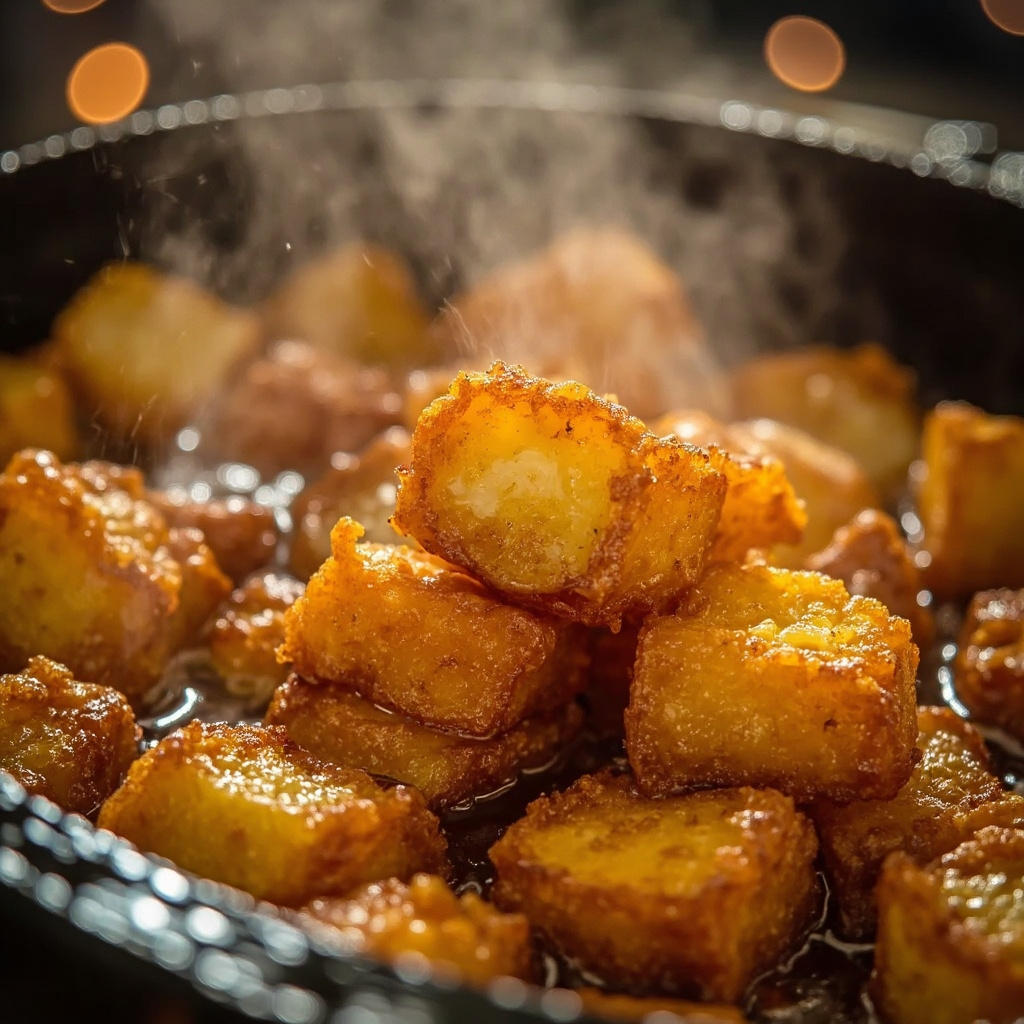
The outside is usually crispy, almost like a fried skin. The inside is soft, similar to regular tofu but with a more complex flavor. The taste is… umami. Deep, fermented, savory, with a hint of funk that lingers.
If you have ever eaten blue cheese or high-quality aged parmesan, you have experienced the concept. The smell and the taste do not match. The smell is shocking. The taste is actually pleasant — in a weird, acquired way.
The first bite is the hardest. You have to get past the smell, the appearance, the cultural programming that says “if it smells like this, do not put it in your mouth.” Once you get past that mental block, your palate adjusts. What seemed grotesque becomes interesting. Then, for some people, it becomes addictive.
This is not a guarantee. Some people try it and still hate it. But the conversion rate from “what is this nightmare food” to “I now crave this” is higher than you would think.
## Why Did Someone Invent This?
This is the question I find most interesting: who looked at regular tofu and said “you know what this needs? To smell worse.”
The honest answer is nobody knows exactly when or why stinky tofu was invented. Like many fermented foods, it probably emerged from necessity. Fermentation preserves food. In an era before refrigeration, if you wanted tofu to last more than a day, you had to do something to it. Fermentation extended shelf life.
But the specific decision to ferment it until it became this specific smell? That was an aesthetic choice. Somewhere along the way, someone decided the smell was not a bug but a feature. And they started making it intentionally smellier, not less.
This is a very Chinese thing, in my observation. Chinese food culture has a long tradition of taking humble ingredients — tofu, vegetables, offal, whatever was cheap and available — and transforming them through technique, fermentation, and aging into something completely different from the original. Stinky tofu is an extreme example of this philosophy.
The ingredient is cheap. The technique is sophisticated. The result is expensive in terms of flavor complexity.
## The Regional Versions
Not all stinky tofu is created equal. Like most Chinese food, regional versions differ significantly.
The most famous versions:
**Hunan stinky tofu** is usually fried and crispy, served with spicy chili sauce. The smell is intense but the flavor is savory and hot. This is probably the most accessible version for beginners.
**Nanjing stinky tofu** tends to be darker, softer, and more heavily fermented. The smell is arguably worse. But the inside is silky and the flavor is deeper. If you can get past the smell, Nanjing style might convert you faster.
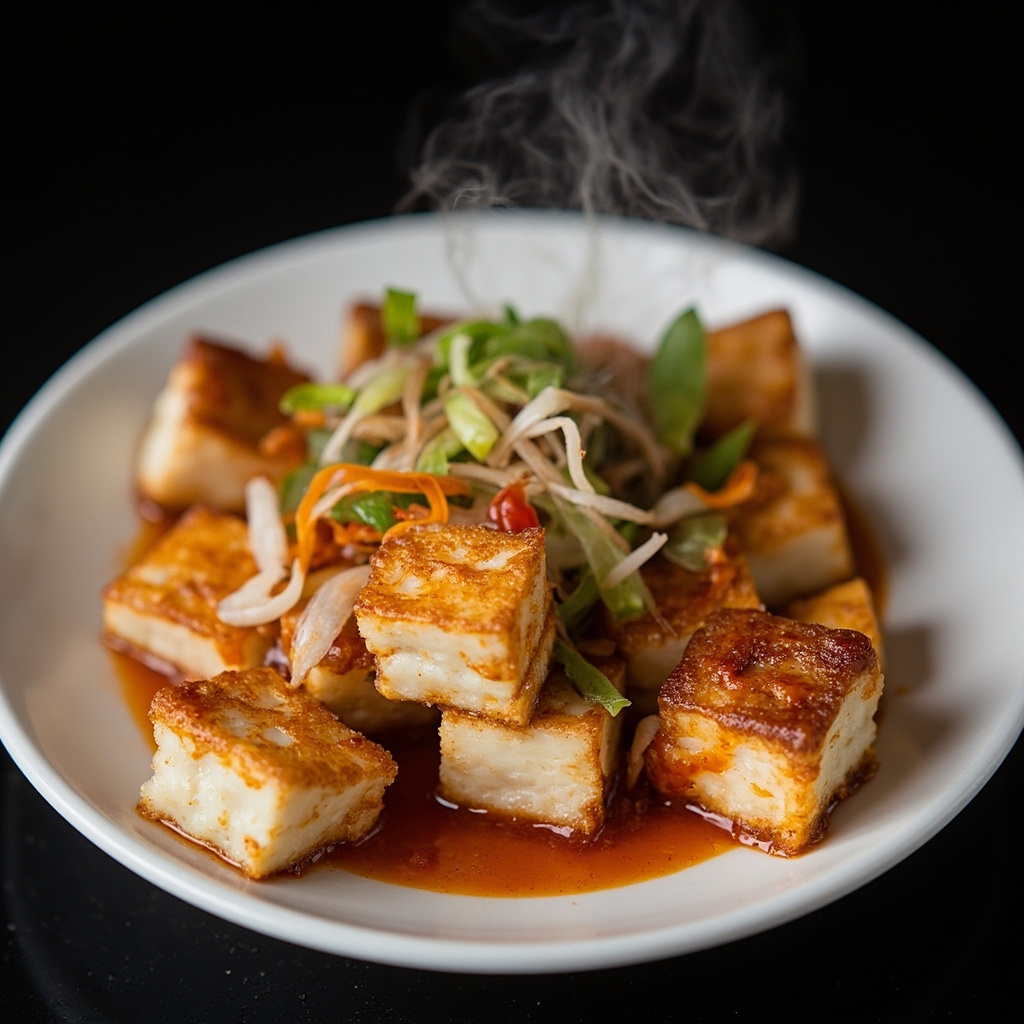
**Taiwanese stinky tofu** (which is technically its own thing) is often served in a broth with pickled cabbage and chili. This is the version most foreigners encounter in night markets outside China. It is arguably the least scary entry point.
## The Mental Block Is Real
Let me talk directly to you if you are someone who would never try stinky tofu because of the smell.
I understand the block. I had it too. The smell triggers something primal — your brain is telling you this food is spoiled, dangerous, something to avoid. This is not stupidity. This is evolution. For most of human history, the rule “if it smells this bad, do not eat it” was a good rule.
But food culture is full of examples where this rule fails. Blue cheese. Fermented herring (Sweden’s surströmming, which actually smells worse than stinky tofu). Natto in Japan. Eggs that have been buried in ash for months.
Every culture has its stinky tofu. Westerners are just used to their own version and weirded out by others.
Here is a question worth asking yourself: when you eat blue cheese dressing on a salad, do you think about how disgusting it would seem to someone who has never encountered mold-fermented cheese? Probably not. Because it is normal to you.
Stinky tofu is normal to hundreds of millions of people. That is all it is.
## How to Eat It (If You Dare)
If you want to try stinky tofu but do not know where to start:
First, go to a night market in China. Not a tourist-trap night market that sells more fried dough and cotton candy than actual local food. Find a real night market where locals actually eat. The stinky tofu vendors will be obvious — they are usually the ones with the longest lines, because the people who know, know.
Second, start with a small piece. Do not commit to a full serving before you know if you can handle it. Fried versions are easier to start with because the frying adds a familiar flavor and texture.
Third, hold your nose for the first bite if you need to. I am not joking. The smell association is strong. Removing the smell for the first bite can help you get past the mental block.
Fourth, give it a second chance. One bite is not enough to know. Your palate needs adjustment time.
## The Bottom Line
Stinky tofu is one of those foods that reveals something fundamental about cultural differences in eating. What one culture considers a delicacy, another considers proof that humanity is doomed.
But stinky tofu has survived for centuries and spread across all of China and beyond. That is not an accident. It tastes good. The smell is a barrier, but once you break through it, there is actually something worth eating there.
The next time you smell stinky tofu and instinctively recoil, remember: you have probably eaten something equally weird by your own culture is standards. You just did not have to think about it.
Unless you have eaten blue cheese. In which case, you do not get to judge.
