Why Is the Great Wall of China So Famous Around the World?
Why Is the Great Wall of China So Famous Around the World?
Let me tell you about a myth that turned out to be wrong.
For decades, people believed you could see the Great Wall of China from space. From the moon. From Mars. Parents told children. Teachers told students. The story spread around the world.
It was nonsense.
The Great Wall is too narrow to see from space. Astronauts have confirmed it. Satellites have photographed it. The myth died.
But here is what is true: the Great Wall is still the most impressive structure humans have ever built. And understanding why takes your breath away.
Let me explain why this wall became the most famous monument in the world.
## The Numbers That Defend Themselves
Here is what makes the Great Wall impossible to ignore: the scale.
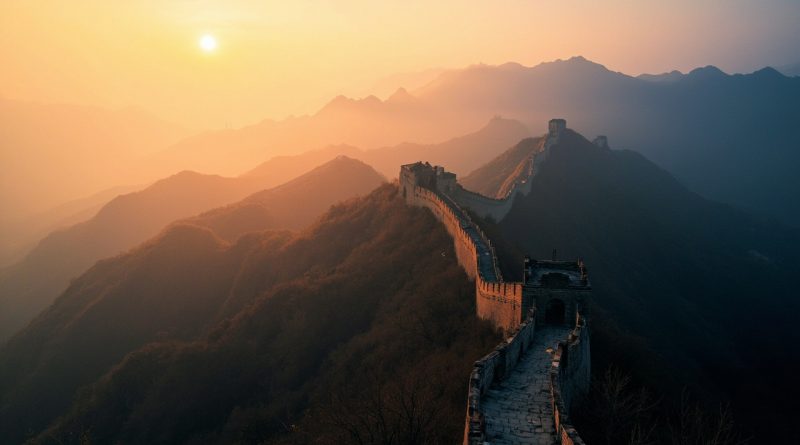
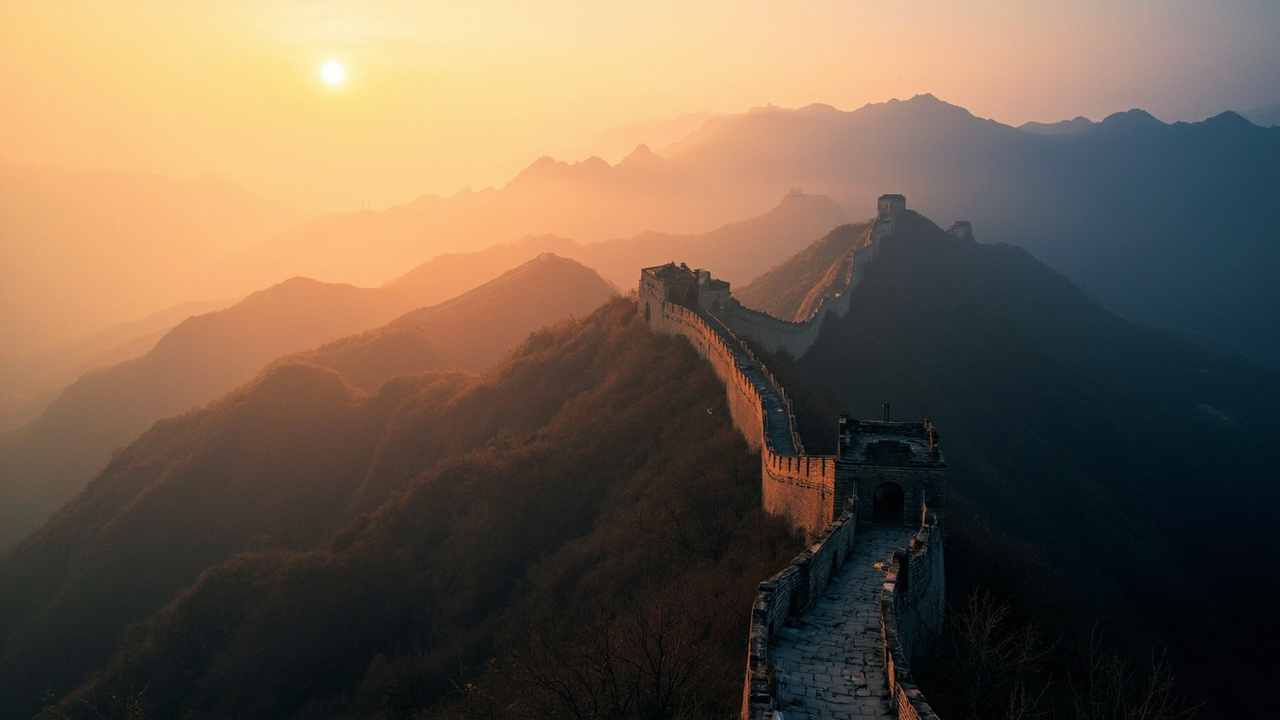
The total length of all sections of the Great Wall, built across 2,000 years, measures 21,196 kilometers. That is 13,171 miles.
Drive that distance and you could cross China and keep going into Southeast Asia. Walk it and you would need months.
The wall is not one continuous structure. It is a collection of walls built by different dynasties, connecting existing fortifications, filling gaps, extending protection.
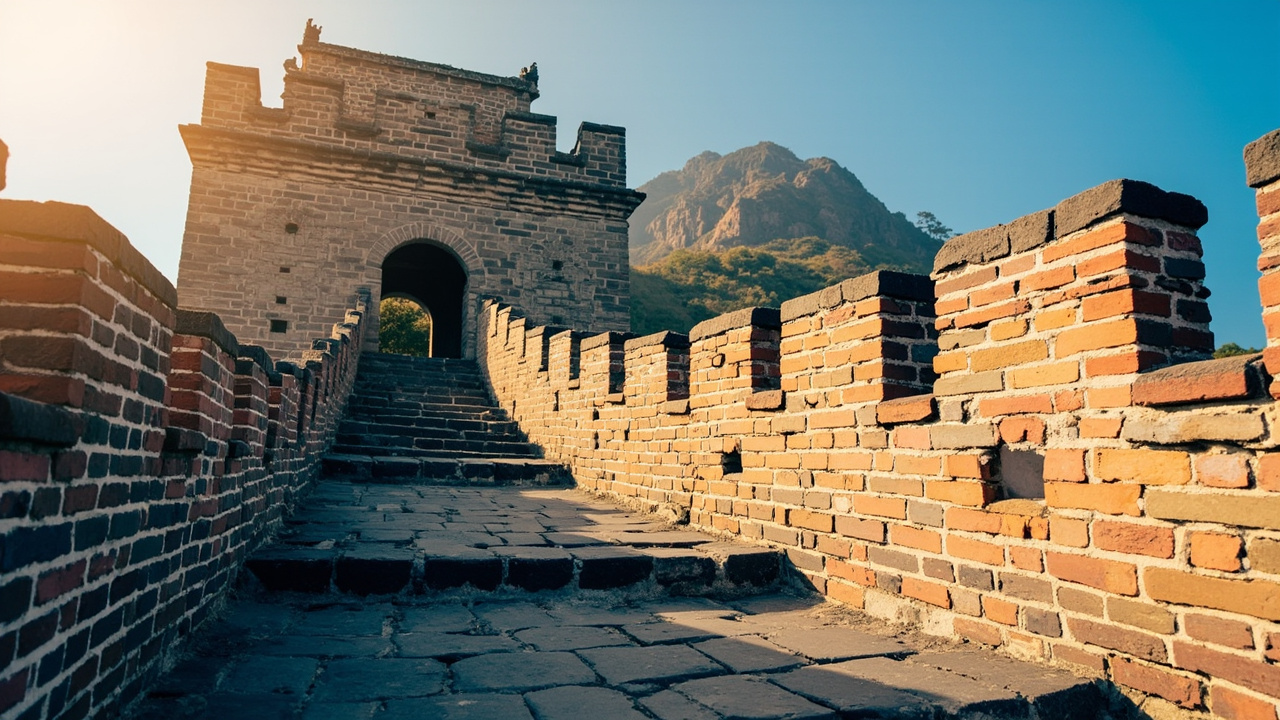
The Ming Dynasty walls are the most famous. They average 7.5 meters high. Some sections reach 14 meters. The top is wide enough for five horses to ride abreast.
Stone blocks weighing up to 100 tons were moved into position without modern machinery. Workers carved paths into mountainsides. They built where building seemed impossible.
No wonder it became a wonder.
## 2,000 Years of Construction
Here is the timeline that puts everything in perspective: building began before the birth of Jesus Christ.
The first walls were built during the Spring and Autumn period, around 700 BCE. Kingdoms built fortifications to protect their borders. These were the ancestors of the Great Wall.
Qin Shi Huang, the first emperor who unified China, connected and extended these walls around 221 BCE. He was the first to create something worthy of the name Great Wall.
Over the next centuries, different dynasties added their sections. The Han Dynasty extended walls into Central Asia. The Ming Dynasty built the most impressive preserved sections that tourists see today.
Different dynasties. Same purpose. Same ambition. 2,000 years of continuous construction.
No other structure in human history took this long to build.
## The Purpose Behind the Wall
Here is what many people misunderstand: the wall was not built to keep invaders out.
It was built to slow them down.
A wall cannot stop an army. But it can delay one. It can force enemies to concentrate at certain points. It can give defenders time to respond.
The wall also served as a communication network. Signal towers allowed messages to travel hundreds of kilometers in hours. A military alert at one end could reach the capital within days.
And the wall served as an economic tool. It protected the silk road trade routes. It encouraged settlement along the frontier. It created stability.
Chinese generals wrote treatises about wall strategy. Chinese engineers developed techniques for building on difficult terrain. The wall was not just a wall. It was a military, economic, and political system.
## The Human Cost
Here is the dark side that makes the wall even more remarkable: millions died building it.
Historical records describe backbreaking labor. Soldiers and peasants were conscripted. Criminals were sent to work. Many never returned home.
The Qin Dynasty walls were built fastest but with the highest death toll. Workers died from exhaustion, disease, and accidents. They built in mountains where a wrong step meant falling to death.
The Ming Dynasty improved conditions somewhat, but the work remained brutal. Workers lived in temporary camps along the wall. They faced harsh winters and dangerous construction.
Some historians estimate millions died over the centuries. Others consider these numbers exaggerated. What is certain is that the wall was built on human suffering.
This is why the wall matters, not despite the suffering, but including it. The ambition to build something this large, at this cost, tells us something about the civilization that built it.
## The Engineering Marvel
Here is what impresses engineers most: the wall was built without modern technology.
The stones were quarried locally or carried to mountain tops by hand. Workers used levers, ramps, and sheer manpower. They developed techniques adapted to different terrain.
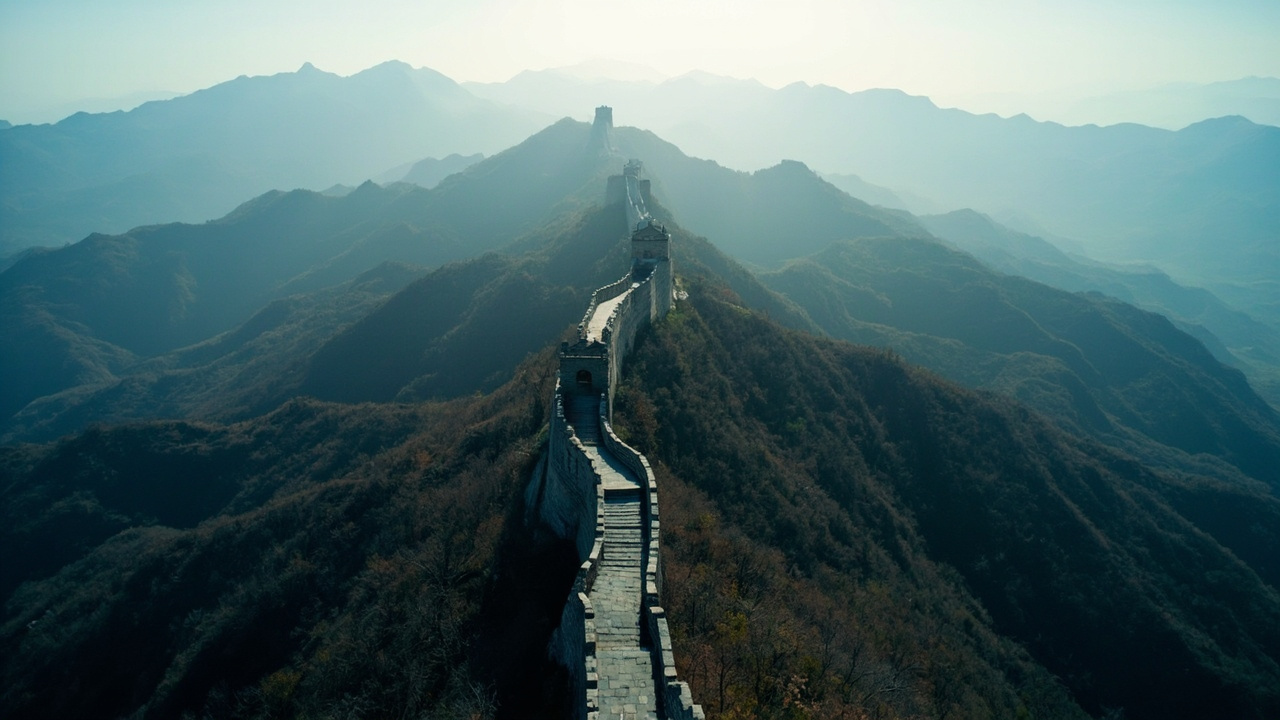
In flat areas, the wall follows straight lines for kilometers. In mountainous areas, it climbs steep slopes and descends into valleys. Watchtowers were positioned at intervals that allowed communication by signal fires.
The Ming Dynasty sections used bricks manufactured in factories. Standardized sizes made construction faster. Quality control ensured consistency.
Even today, engineers marvel at the logistics. Moving materials across such difficult terrain, coordinating such large workforces, maintaining construction standards over such long distances.
This was project management on a scale the world had never seen.
## The Myth That Helped Its Fame
Here is the strange thing about the Great Wall: it gained global fame partly because of a lie.
The story that you could see the Great Wall from space began circulating in the 19th century. It had no scientific basis. But it spread anyway.
Why?
Because people wanted to believe it. The wall symbolized human achievement at its most grand. If humans could build something visible from space, what did that say about human potential?
When astronauts went to space, one of the first questions journalists asked was whether they could see the wall. When they said no, some people were disappointed.
But the myth had done its work. The idea of the visible wall captured imagination. The reality of the invisible wall confirmed ambition.
The Great Wall became the symbol of what humanity could accomplish. And symbols matter more than facts.
## The Wall Today
Here is what surprises many visitors: the wall is not one attraction.
Badaling is the most famous section, closest to Beijing. It receives millions of visitors annually. During holidays, crowds are overwhelming.
Mutianyu offers restored wall with less crowding. Jinshanling attracts hikers who want to walk unrestored sections. Simatai and Gubeikou are more remote, more dangerous, more authentic.
Each section tells a different story. Some are pristine. Some are crumbling. Some have been restored to Ming Dynasty glory. Some show their age honestly.
The wall is not frozen in time. It continues to erode. Storms damage sections. Landslides reshape parts of it. Maintenance workers constantly battle decay.
Protecting the wall has become a serious concern. UNESCO monitors its condition. Chinese authorities limit tourist access to fragile areas. Archaeologists argue about restoration approaches.
The wall that was built to last forever faces its greatest threat: the millions who come to see it.
## Why It Still Captures Imagination
Here is the answer that satisfies most deeply: the Great Wall represents human ambition at its most extreme.
Every civilization built monuments. Egyptians built pyramids. Romans built roads and aqueducts. Greeks built temples. But none built anything like the Great Wall.
It is not the oldest. It is not the largest by volume. But in terms of length, duration of construction, and geographic scope, it stands alone.
The wall required coordination across vast distances. It required commitment across centuries. It required sacrifice on a scale that strains comprehension.
When you stand on the Great Wall, you feel small. Not because the wall is oppressive, but because it is humbling. Your life is brief against 2,000 years. Your individual effort is insignificant against millions of workers.
And yet those individual efforts, accumulated, created something visible from the sky. Something that shaped the civilization that built it. Something that continues to inspire.
## The Symbolic Power
Here is why the Great Wall matters beyond its physical form: it represents Chinese civilization itself.
It took multiple dynasties, working across centuries, to build. Each dynasty built on what came before. Each added, connected, extended.
This is how Chinese civilization operates. It is cumulative. It builds on the past. It adds to what exists rather than starting fresh.
Western civilizations tend toward disruption. New replaces old. Revolution replaces tradition.
Chinese civilization tends toward continuity. The Great Wall illustrates this perfectly. Different dynasties, same purpose, continuous construction.
When Chinese people visit the wall, they see their ancestors’ work. They see 2,000 years of effort. They see a civilization building something meant to last.
Foreigners visit and see the same thing. They understand, without being told, that this wall represents something profound about Chinese culture.
This is why it is famous. Not just because it is big. Because it is meaningful.
## The Truth
So why is the Great Wall of China so famous around the world?
Because it took 2,000 years to build. Because it stretches over 21,000 kilometers. Because millions died constructing it. Because it represents something profound about human ambition and Chinese civilization.
Because when you stand on it, you feel the weight of history. Because when you learn about it, you understand the scale of human determination. Because when you photograph it, you capture something that has inspired poets, emperors, and ordinary people for millennia.
The myth said you could see it from space. The truth is better. The wall is not impressive because it is visible from above. It is impressive because it exists at all.
Building something that size, that long, with that much sacrifice, defies human logic. And yet the Great Wall stands.
That is why it is famous. That is why it will remain famous. That is why when someone asks you what to see in China, you say the wall.
Not because it is the biggest. Because it is the most human.