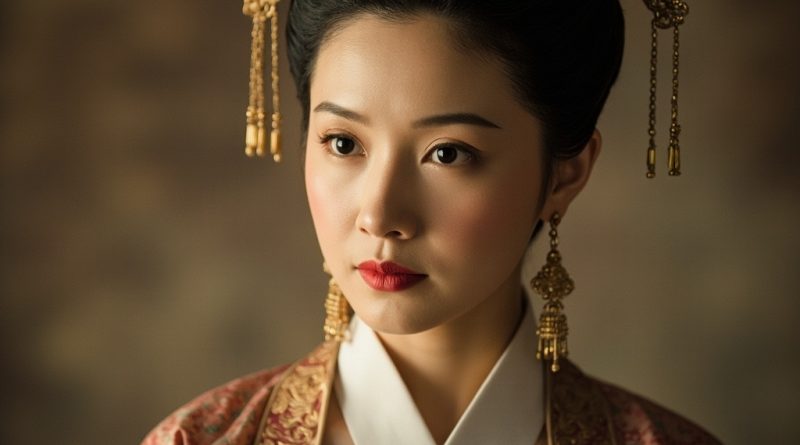
Why Is The Legend of Zhen Huan So Popular Around the World?
Why Is The Legend of Zhen Huan So Popular Around the World?
Let me tell you about a Chinese TV drama that changed everything.
In 2011, a Chinese television series aired that would become the most-watched Chinese drama in history. It was called “Empresses in the Palace” in English. In China, it was known as “The Legend of Zhen Huan.”
It was about a young woman named Zhen Huan who enters the imperial palace and must navigate the deadliest workplace on earth: the Qing dynasty emperor’s harem.
The show became a cultural phenomenon. In China, it was watched by over 600 million people. Overseas, it was translated into 76 languages and broadcast in 80 countries. It became the most-watched Chinese TV show ever in many regions.
This is the story of why Zhen Huan conquered the world.
## A Story Everyone Understands
Here is the first reason for its success: the story is universal.
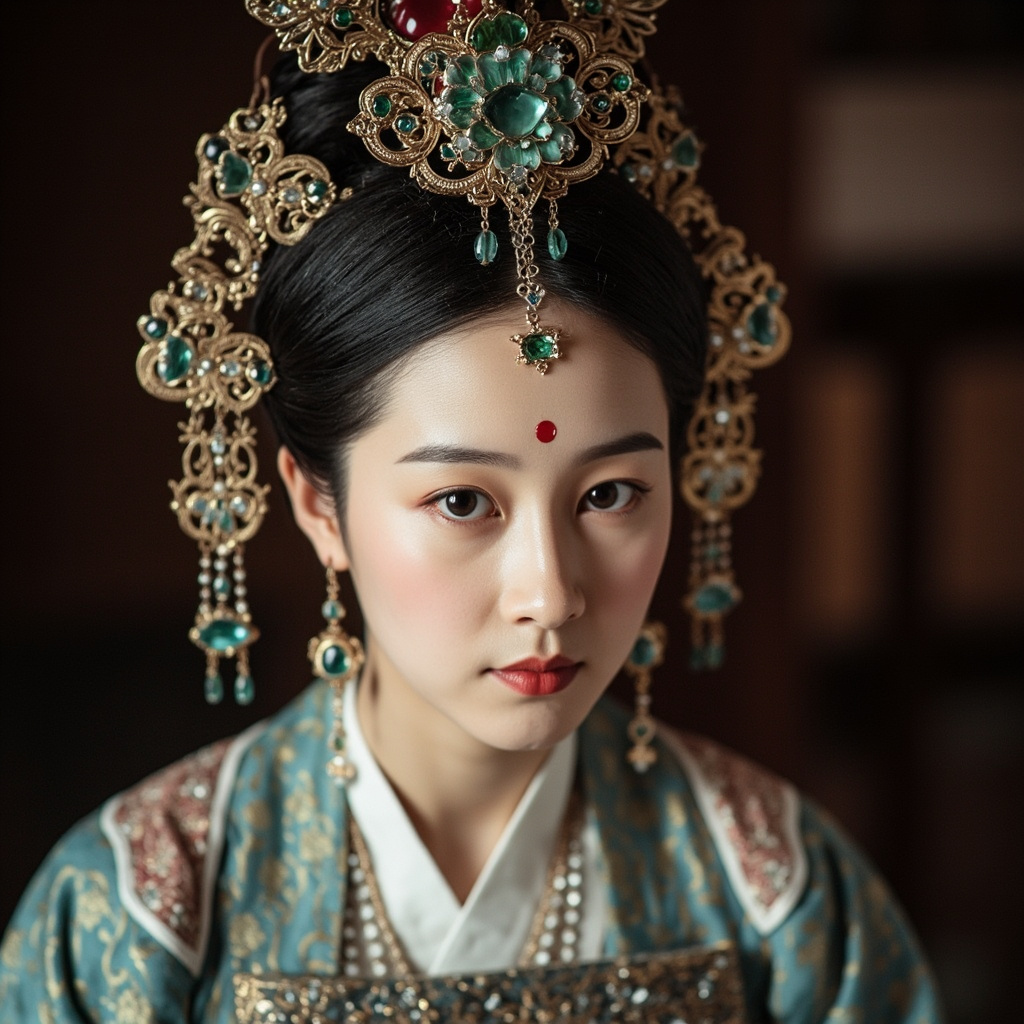
Zhen Huan is a young woman who wants to survive. She enters the palace with hope. She faces rivals, enemies, and impossible choices. She must please a powerful boss while navigating treacherous coworkers. She must protect herself while also protecting those she loves.
Sound familiar?
This is not just a story about ancient China. This is a story about every workplace. Every organization. Every hierarchical system where women must compete for power and status.
When American audiences watched Zhen Huan, they saw their own lives. The office politics. The need to please management. The rivalries with colleagues. The impossible balance between career and family.
The palace is the ultimate corporate ladder. And Zhen Huan is the ultimate survivor.
## Women Supporting Women
Here is what made the show revolutionary: it was about women.
In Western media, women in historical dramas were often passive. They waited to be saved. They existed for the men.
Zhen Huan was different. She was active. She was strategic. She formed alliances with other women. She competed against other women. She survived because of her intelligence, not because of her beauty or her relationship with the emperor.
When the show aired in China, women related to Zhen Huan’s struggles. They understood the pressure of competing in a male-dominated world. They understood the alliances and betrayals among women in hierarchical systems.
When the show aired overseas, women who had never seen a Chinese drama found themselves binge-watching. They did not need to understand Chinese culture to understand Zhen Huan’s choices. They had made similar choices in their own lives.
## The Fashion and Aesthetics
Here is something that cannot be ignored: the show is beautiful.
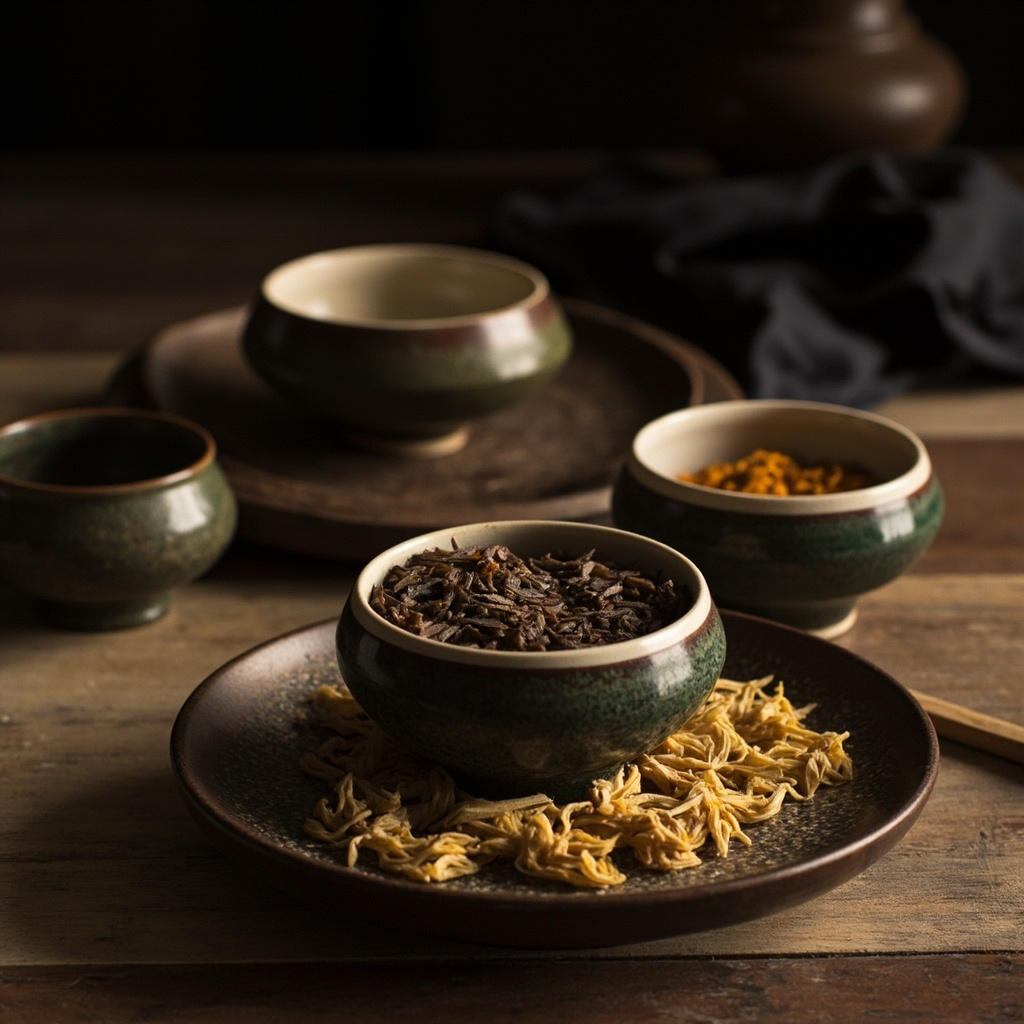
The costumes are exquisite. The hair ornaments are intricate. The makeup is flawless. Every frame looks like a traditional Chinese painting come to life.
In an age of fast-paced editing and quick cuts, the show took its time. Scenes were allowed to breathe. Actors delivered lines with nuance and subtlety. The camera lingered on details that other shows would rush past.
Western audiences who had never been exposed to Chinese aesthetics were mesmerized. The flowing silk robes. The ornate hairpins. The elegant architecture. The delicate tea ceremonies.
This was not just a story. This was visual poetry. This was a window into a world they had never seen.
## The Complexity of the Characters
Here is what separates good drama from great drama: the characters are not simple.
Zhen Huan is not purely good. She does bad things to survive. She manipulates. She harms people she does not want to harm. She makes impossible choices.
The emperor is not purely evil. He is a man trapped by his position. He has responsibilities he cannot escape. He makes decisions that hurt people he loves.
Even the villainous characters have depth. They have reasons for their actions. They are not evil for the sake of being evil.
This complexity made the show feel real. It did not talk down to the audience. It trusted viewers to understand nuance.
When American audiences compared this to typical Hollywood fare, they found Zhen Huan more sophisticated. More real. More human.
## The Political Intrigue
Here is another reason: the palace is the ultimate political arena.
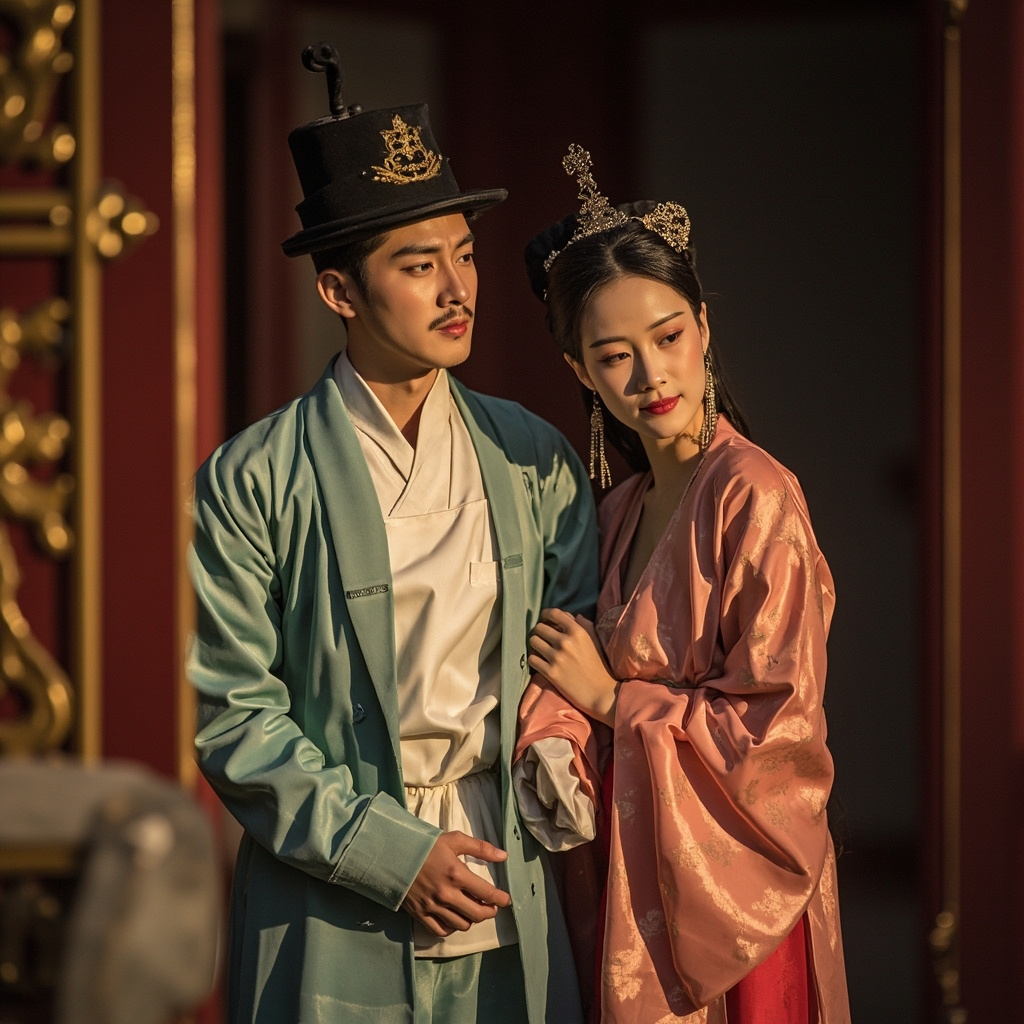
Every conversation has multiple meanings. Every gift is a signal. Every alliance is temporary. Every enemy might become a friend.
Zhen Huan must decode messages hidden in poetry. She must understand the motivations behind every action. She must predict what people will do before they do it.
This is a world where a single wrong word can mean death. Where a misplaced trust can destroy everything. Where survival requires reading people perfectly.
For audiences who love Game of Thrones or House of Cards, Zhen Huan offered similar political intrigue with a unique cultural flavor.
## The Soundtrack
Here is something that stayed with viewers: the music.
The theme song “The Red Skirt” became iconic. The instrumental score blended traditional Chinese instruments with modern orchestration. Every scene had music that enhanced emotion without overwhelming it.
Foreign audiences who did not understand Chinese still felt the music. The melody carried sadness, joy, tension, and peace. Language was not a barrier to feeling.
The soundtrack became a phenomenon in its own right. People listened to it separately from the show. It remains popular on music streaming platforms years after the show aired.
## The Cultural Bridge
Here is what Zhen Huan actually did: it created a bridge.
Before this show, many Western audiences had never watched a Chinese drama. They had preconceptions about Chinese entertainment being different, difficult to access, or not relevant to their lives.
Zhen Huan shattered those preconceptions. It showed that Chinese stories could be universal. That Chinese emotions could be understood globally. That Chinese aesthetics could be appreciated worldwide.
The success of Zhen Huan opened doors for other Chinese dramas. It proved there was an international audience hungry for Chinese content. It showed streaming platforms that Chinese shows could compete with Western content for global viewers.
## The Export of Chinese Soft Power
Here is something historians note: Zhen Huan was not just entertainment.
Chinese officials recognized its soft power potential. The show was promoted internationally as a window into Chinese culture. It sparked interest in Chinese history, Chinese fashion, Chinese tea ceremony, Chinese philosophy.
Foreign viewers who watched Zhen Huan became curious about China. Some started learning Chinese. Some visited China for the first time. Some simply gained a more nuanced view of Chinese society.
This was soft power in action. Not through official propaganda channels. Through a good story well told.
## The Legacy
Here is what happened after Zhen Huan: Chinese studios invested more in high-quality productions.
The success proved that international audiences would embrace Chinese content if the production quality matched the storytelling. This led to increased budgets, better writers, improved production values.
Subsequent Chinese dramas like “The Story of Yanxi Palace” and “Eternal Love” continued the trend. They found their own international audiences while building on the foundation Zhen Huan established.
HoYoverse (then miHoYo) even referenced Zhen Huan aesthetics in their games. The palace drama style appears in character designs and environmental art. The cultural bridge goes both directions.
## The Truth
So why is The Legend of Zhen Huan so popular around the world?
Because it told a universal story through a specific cultural lens. Because its characters were complex enough to feel real. Because its aesthetics were beautiful enough to mesmerize. Because its political intrigue matched the sophistication of the best Western dramas.
Because when Chinese creators refused to dumb down their content for international audiences, the world rewarded them with attention.
Because Zhen Huan showed that the palace was not just Chinese. The palace was every workplace. The politics were not just Qing dynasty. The politics were every organization. The struggles were not just women’s struggles in ancient China. They were human struggles everywhere.
Six hundred million people watched in China alone. Tens of millions more watched internationally. And every one of them saw themselves in Zhen Huan.
That is why she conquered the world.
