Why Was the Great Wall of China Built?
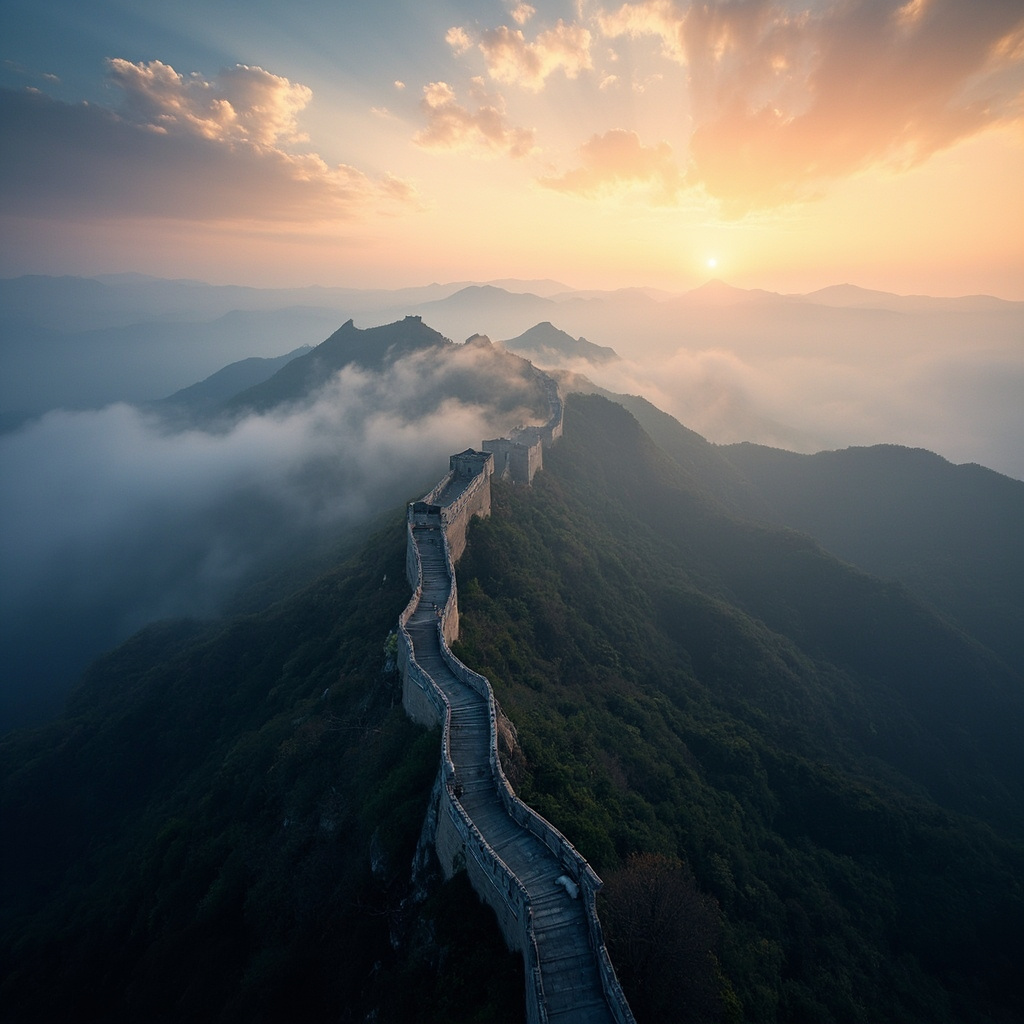
The Great Wall of China is one of the most impressive architectural feats in human history, stretching over 13,000 miles across northern China. If you have visited the wall or seen photographs, you might have wondered: why was the Great Wall of China built? The answer involves centuries of Chinese history, military strategy, and the unending threat of invasion from the north.
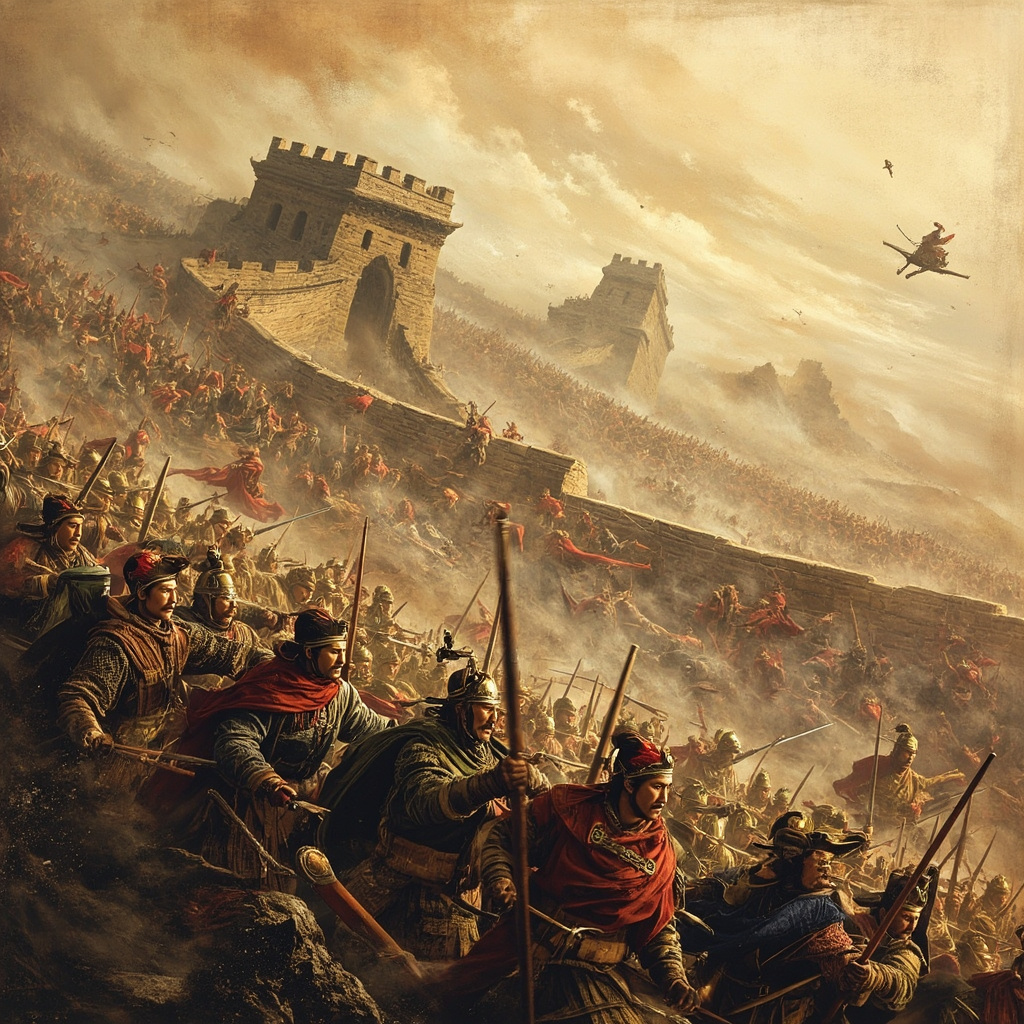
The First Walls: Qin Dynasty Origins
The history of the Great Wall begins in 221 BCE when Qin Shi Huang, the first Emperor of unified China, connected and extended existing fortifications built by various warring states during the Warring States period (475-221 BCE).
Before Qin unified China, different kingdoms had built walls to protect their territories from neighboring states and nomadic groups. When Qin conquered all these states and created the first unified Chinese empire, Emperor Qin Shi Huang ordered the connection of these separate walls into a single defensive system.
The primary purpose was military defense. The northern frontier of ancient China faced constant threats from nomadic peoples – particularly the Xiongnu, Xianbei, Rouran, and eventually the Mongols. These horse-riding nomads possessed remarkable mobility and superior cavalry tactics that the agricultural Chinese states struggled to counter with conventional armies.
How the Wall Worked as a Defense System
The Great Wall was not merely a physical barrier. It functioned as an integrated military defense system:
- Early warning system – Signal towers (烽火台) on the wall used smoke by day and fire by night to rapidly communicate enemy movements across hundreds of miles
- troop mobilization – The wall allowed Chinese armies to move quickly along the frontier without being intercepted
- Immigration control – Controlled passes allowed inspection of travelers and merchants, preventing enemy infiltration
- Platform for attack – Soldiers could use the wall as a defensive platform from which to shoot at attackers
- Supply routes – Roads built along the wall facilitated logistics and reinforcement movements
The Ming Dynasty Rebuilding
Most of the Great Wall sections visible today were built during the Ming Dynasty (1368-1644 CE). The Ming rebuilt and strengthened the wall extensively because they faced a grave threat: the Mongols who had actually conquered all of China and established the Yuan Dynasty (1271-1368 CE).
The Ming overthrow of Mongol rule created intense fear of reconquest. Thus, the Ming invested enormous resources into building the most sophisticated wall defenses in Chinese history – featuring:
- BrICK and stone construction instead oframmed earth
- Watchtowers every 400-600 meters
- Garrison stations at strategic passes
- Advanced defensive features like crenellations and arrow slits
The Human Cost
Building the Great Wall was extraordinarily expensive in human lives. Historical records and estimates suggest:
- Millions of workers – Soldiers, peasants, and prisoners were conscripted for construction
- High mortality – Thousands died from accidents, disease, and harsh working conditions
- Suffering and death – Many workers were buried within the wall itself or died from exhaustion
- Mass imprisonment – Criminals and political dissidents were often sent to wall construction as punishment
Traditional sayings like wan li chang cheng yi kun ren or the Long Wall of ten thousand li binds ten thousand lives reflect the popular memory of suffering that wall-building imposed on Chinese common people.
Strategic Success or Failure?
Historians debate whether the Great Wall was actually effective:
Arguments for effectiveness:
- Successfully deterred many smaller raids and incursions
- Provided early warning that allowed military response
- Channeled enemy forces through controllable passes where they could be intercepted
- The wall was never breached by major Mongol invasions during Ming times
Arguments against:
- The Mongols eventually conquered China anyway (Yuan Dynasty)
- The Manchus also broke through and established the Qing Dynasty
- Maintenance costs were astronomical
- The wall could be circumvented by diplomatic means or simply crossing at unguarded points
The truth lies between these positions. The wall reduced the frequency and scale of raids and bought time for military mobilization. But no defensive fortification can hold indefinitely against a determined and resourceful enemy.
Beyond Military Defense
While military defense was the primary purpose, the wall served other functions:
- Border demarcation – Clearly defined where Chinese civilization ended and the nomadic world began
- Economic control – Regulated trade and movement along the Silk Road
- Political symbolism – Demonstrated imperial power and the emperor ability to mobilize massive projects
- Population settlement – Encouraged Chinese farmers to settle frontier regions
The Bottom Line
Why was the Great Wall of China built? The answer is survival. For over a millennium, Chinese states faced existential threats from nomadic peoples of the northern steppes. The wall was the most ambitious response to that threat – a combination of early warning system, troop highway, and physical barrier designed to protect Chinese civilization from invasion.
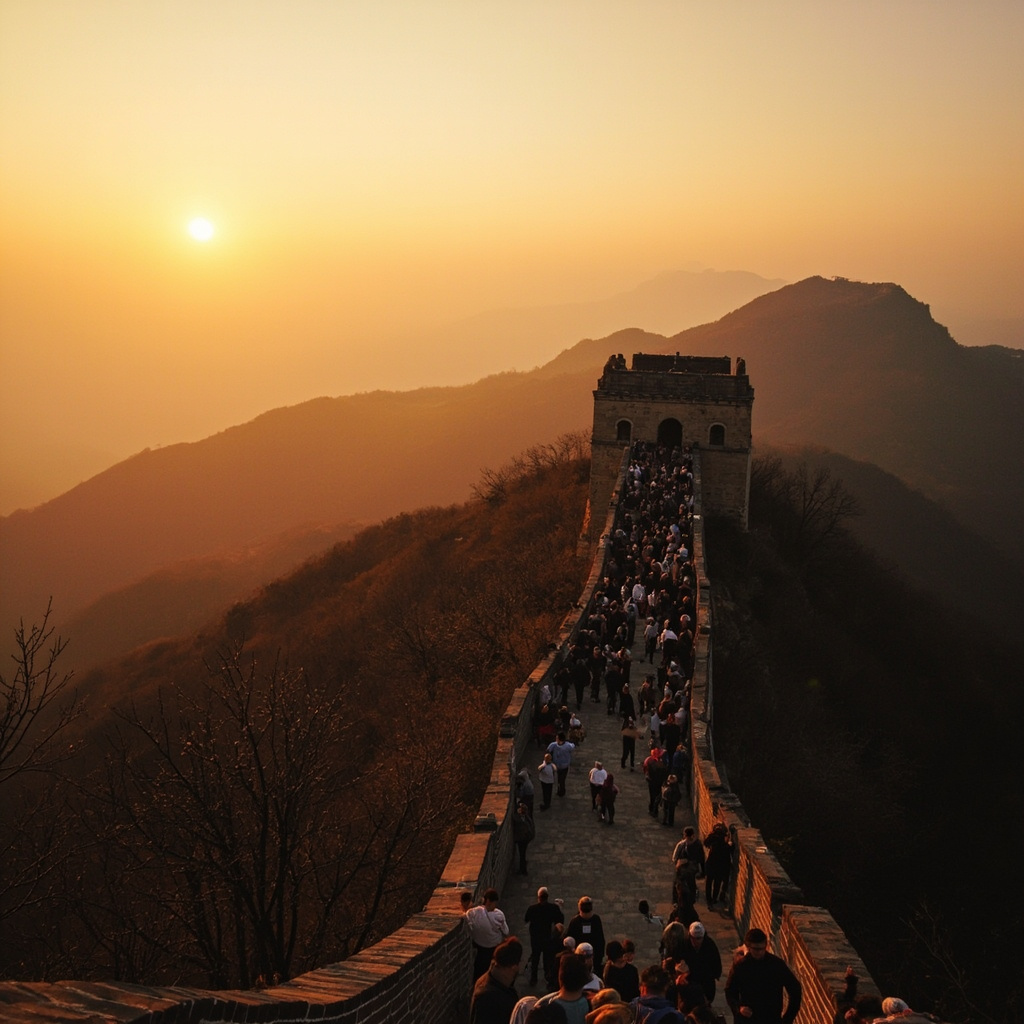
Today, the wall stands as a monument to human determination, architectural achievement, and the eternal human desire to protect what we have built. Walking along the Great Wall today, you are following in the footsteps of emperors, soldiers, and the millions of workers whose labor created one of the wonders of the ancient world.
