Why Is Chinese Silk So Famous?
Why Is Chinese Silk So Famous?
Here is what adorns museum exhibits, royal wardrobes, and luxury boutiques worldwide: the luminous sheen of Chinese silk, fabric that has clothed emperors, decorated temples, and transformed global trade for millennia. The material seems to capture light from within, producing colors that glow with unusual intensity. This reputation for unmatched quality has persisted from ancient times to modern luxury markets.
Chinese silk carries reputation as the world’s finest textile. The distinctive characteristics include remarkable strength combined with liquid softness, natural sheen that resists fading, and texture that improves with age. These qualities have made Chinese silk the benchmark against which all other textiles are measured.
The fame of Chinese silk developed alongside the legendary Silk Road trade routes connecting East to West. The fabric commanded prices rivaling gold in ancient markets. Roman senators reportedly wore silk to display wealth, bankrupting themselves in the process. The appetite for Chinese silk shaped Eurasian commerce for centuries.
Understanding why requires examining the unique properties of silk itself, China’s historical advantages in silk production, and the cultural significance that elevated silk from mere textile to cultural icon.
## The Silk Production Miracle
Here is how silk is created: a remarkable biological process harnessed by Chinese innovation.
The story begins with the silkworm, actually the larva of the Bombyx mori moth. These caterpillars produce silk as they spin cocoons to protect themselves during metamorphosis. A single cocoon contains a single continuous silk thread stretching up to 1,500 meters long. The biological machinery evolved over millions of years.
Chinese cultivators learned to harvest this natural production around 5,000 years ago according to archaeological evidence. The discovery that certain moth species produced usable silk transformed a biological process into industrial production. This knowledge remained exclusively Chinese for over two millennia, creating strategic advantage.
The cultivation process, called sericulture, requires intensive hands-on attention. Silkworms eat nothing but mulberry leaves, demanding dedicated agricultural infrastructure. The eggs must be incubated at precise temperatures. The worms must be monitored constantly during their brief larval period. This labor intensity created employment for millions in Chinese agricultural economy.
The harvesting process kills the cocooned worm, which is why some modern silks are called peace silk or ahimsa silk. Traditional Chinese silk production allowed the moth to emerge before harvesting, but this damaged the continuous thread. The tension between traditional practice and modern ethics continues affecting silk production today.
## The Unique Properties of Silk
Here is what makes silk superior to other textiles: remarkable characteristics that defy expectations.
Silk possesses tensile strength rivaling steel of similar diameter. This remarkable durability comes from the protein structure of fibroin, the main silk component. A silk thread can support weight that would break cotton or wool of equivalent size. This strength combines with难以置信 lightness.
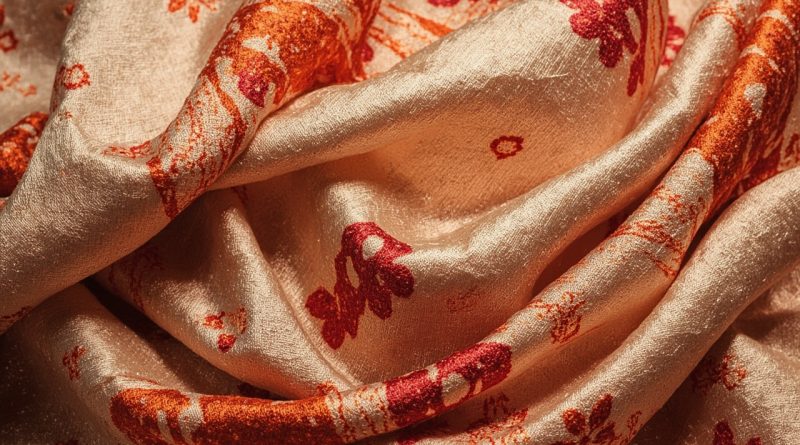
The triangular prism structure of silk fibers refracts light, creating the characteristic sheen. This optical property produces the luminous appearance that distinguishes silk from matte textiles. The way silk catches and plays with light contributes to its luxurious perception.
Silk’s smooth surface resists soiling more effectively than textured fabrics. The tight fiber structure leaves little room for dirt particles to embed. This practical benefit made silk practical for elaborate garments that would be ruined by frequent washing.
The thermal properties of silk adapt to wearer temperature. Silk is cool in summer and warm in winter, providing year-round comfort. This versatility made silk appropriate for everything from summer court dress to winter imperial robes. The adaptive quality suits climates ranging from tropical to temperate.
## The Historical Advantages
Here is why China dominated silk production: geography, climate, and knowledge combined.
The mulberry tree, sole food source for commercial silkworms, grows abundantly across China. Different mulberry varieties provide leaves with optimal nutritional content for different growth stages. This natural resource base enabled large-scale sericulture that other regions could not match.
Chinese climate provides appropriate conditions for the temperature-sensitive silkworm cultivation. The warm, humid conditions during typical silkworm season suit the vulnerable larvae. The seasonal patterns align silkworm development with agricultural calendar, integrating silk production into broader farming rhythms.
The accumulated knowledge base developed over millennia gave Chinese producers advantages impossible to replicate quickly. Techniques for selecting breeding stock, managing diseases, and processing cocoons filled entire libraries. This institutional knowledge remained secret despite centuries of attempted industrial espionage.
Government support for silk production created infrastructure for the industry. Imperial workshops employed thousands of workers producing silk for court use. The concentration of expertise and resources maintained Chinese quality leadership across dynasties.
## The Silk Road Legacy
Here is how Chinese silk transformed global trade: the original luxury commodity.
The Silk Road routes, spanning from China through Central Asia to Mediterranean markets, took their name from the most valuable trade good. Merchants risked everything to transport silk across dangerous terrain. The profit margins justified the dangers of bandits, harsh climate, and political instability.
The demand for silk in ancient Rome created trade imbalances that worried Roman economists. The Senate attempted to ban silk wearing as decadent and economically destructive. The moral panic about silk imports resembles modern concerns about trade deficits, demonstrating silk’s economic significance.
Byzantine Empire silk production began when monks smuggled silkworm eggs out of China in the sixth century. This industrial espionage broke Chinese silk monopoly, but Chinese silk maintained quality reputation. The competitive advantage persisted despite the spread of production technology.
The Islamic world served as intermediary in silk trade between China and Europe. Persian and Arab merchants developed sophisticated quality classification systems. These grading standards helped maintain Chinese silk premium positioning in European markets.
## Cultural Significance in China
Here is what silk means in Chinese culture: more than mere textile.
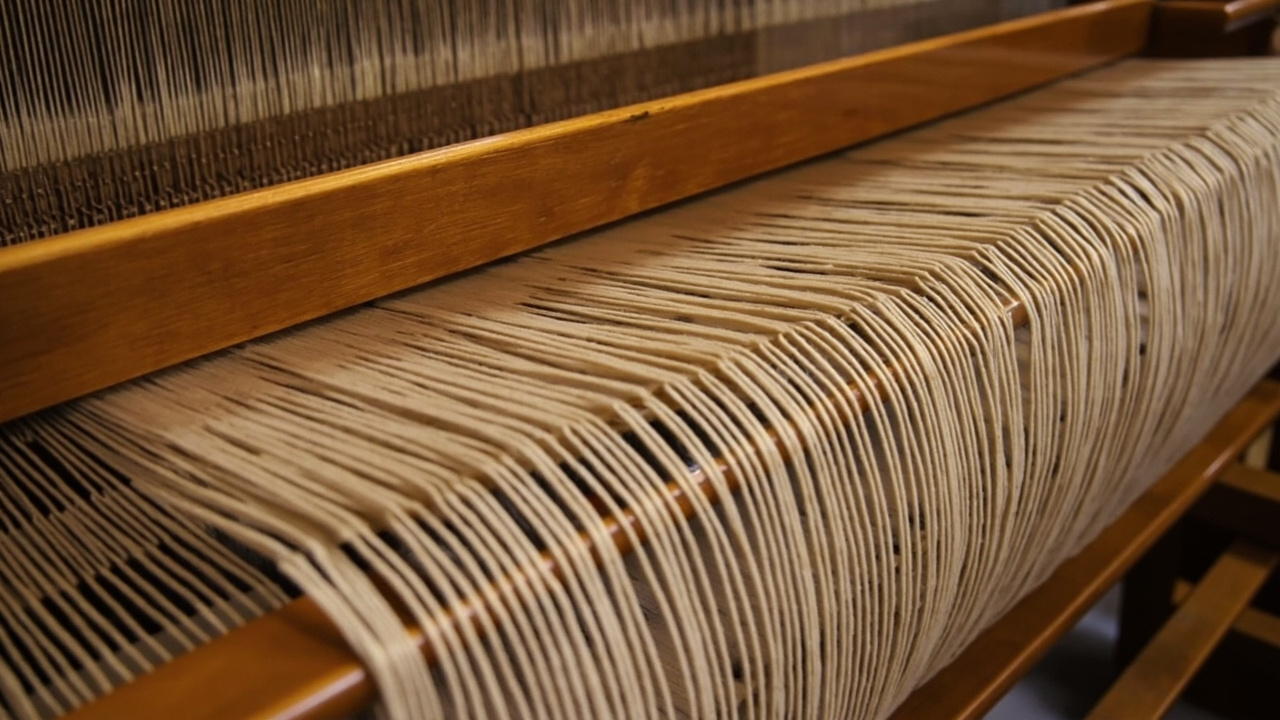
The development of silk weaving produced the elaborate court robes that distinguished Chinese emperors. The dragon robe, with its intricate embroidery and symbolic motifs, required silk base fabric. The social hierarchy expressed through dress depended on silk’s unique properties.
Silk served as currency in ancient China, used for taxes, salaries, and official transactions. The commodity money system valued silk as stable medium of exchange. This monetary role gave silk economic significance beyond its textile utility.
Literary traditions reference silk in contexts ranging from poetry to philosophy. The Book of Songs contains references to sericulture and silk production. Classical Chinese literature uses silk metaphors for refined expression and cultural achievement.
The invention of paper eventually incorporated silk as material. Early Chinese paper included silk fibers for strength. This development connects silk to the later transformation of global communication through paper technology.
## The Global Spread
Here is how Chinese silk technology spread worldwide: secrets, espionage, and adaptation.
The Byzantine Empire’s acquisition of silkworm cultivation in 552 CE marked beginning of end for Chinese silk monopoly. The surviving legend involves monks carrying silkworm eggs in hollow walking sticks. This industrial espionage story illustrates how valuable the secrets remained after centuries.
Japanese silk production developed independently but was heavily influenced by Chinese techniques. The introduction of Japanese silk to Western markets created competition for Chinese producers. Japanese quality standards challenged Chinese dominance in international markets.
French and Italian silk industries developed during the Renaissance, creating European alternatives to Chinese imports. The Italian city of Lucca became famous for silk production. European silk weaving innovations eventually surpassed Chinese designs in some applications.
Modern silk production has spread to India, Thailand, and Vietnam, but Chinese silk maintains premium reputation. The combination of traditional techniques and modern quality control maintains Chinese market position. The historical reputation continues providing commercial advantage.
## The Modern Luxury Market
Here is why silk remains luxury good today: heritage and quality justify premium pricing.
Contemporary luxury fashion houses specify Chinese silk in their finest garments. The fabric’s handling characteristics suit haute couture construction techniques. The natural sheen photographs beautifully, enhancing runway presentations. This professional endorsement validates traditional Chinese quality reputation.
The global silk market continues growing despite synthetic alternatives. The demand for natural silk exceeds supply, keeping prices elevated. This supply constraint benefits traditional producers with established infrastructure. The market dynamics favor countries with established sericulture industries.
Premium skincare and cosmetics incorporate silk proteins for their moisturizing properties. The beauty industry values silk amino acids for their compatibility with human skin. This new application creates demand beyond traditional textile uses.
Sustainable fashion movements have increased interest in natural fibers like silk. The biodegradability of silk aligns with environmental concerns about synthetic textiles. This ecological positioning may increase silk demand among environmentally conscious consumers.
## The Counterfeit Problem
Here is why true Chinese silk commands premium: extensive counterfeiting undermines reputation.
The value of Chinese silk reputation has attracted fraudulent imitation worldwide. Fabrics labeled as Chinese silk often contain synthetic fibers or lower-quality alternatives. This counterfeiting damages both consumers and legitimate producers.
The detection of silk quality requires expertise and testing. Visual inspection cannot reliably distinguish genuine silk from high-quality synthetics. Laboratory analysis provides definitive identification but is impractical for typical purchases. This information asymmetry advantages counterfeiters.
Certification systems attempt to authenticate genuine Chinese silk, but their effectiveness varies. Geographical indication protections attempt to prevent false origin claims. Enforcement challenges allow fraudulent products to reach markets despite regulations.
The counterfeit problem ultimately validates the premium reputation of genuine Chinese silk. Only products with strong positive reputation attract counterfeiting. The prevalence of fake Chinese silk demonstrates the value of authentic product reputation.
## The Truth
So why is Chinese silk so famous?
Because the unique properties of silk from Chinese silkworms producing exceptional fiber. Because thousands of years of accumulated knowledge created production advantages impossible to replicate quickly. Because geography and climate provided optimal conditions for sericulture that other regions could not match.
Because the Silk Road trade network spread Chinese silk throughout Eurasia, creating global demand. Because Roman senators bankrupted themselves wearing Chinese silk, establishing the luxury reputation. Because Byzantine industrial espionage broke the monopoly but could not match the quality.
Because silk became embedded in Chinese culture as expression of status, refinement, and civilization itself. Because the fabric served as currency, artistic medium, and technological component beyond mere clothing. Because the reputation has persisted through millennia of competition.
Because modern luxury markets still specify Chinese silk as mark of quality. Because sustainable fashion trends favor natural fibers over synthetics. Because the heritage of Chinese silk production carries meaning that synthetic alternatives cannot replicate.
The next time you see silk fabric gleaming in light, understand what you are witnessing. A textile that clothed emperors and decorated temples. A product that shaped Eurasian trade routes and economic history. A biological miracle transformed through millennia of Chinese innovation into cultural artifact.
That is why Chinese silk remains so famous. Because some products embody entire civilizations’ achievements, carrying heritage that transcends their material composition.