Why Do Chinese People Love Flying Kites?
Why Do Chinese People Love Flying Kites?
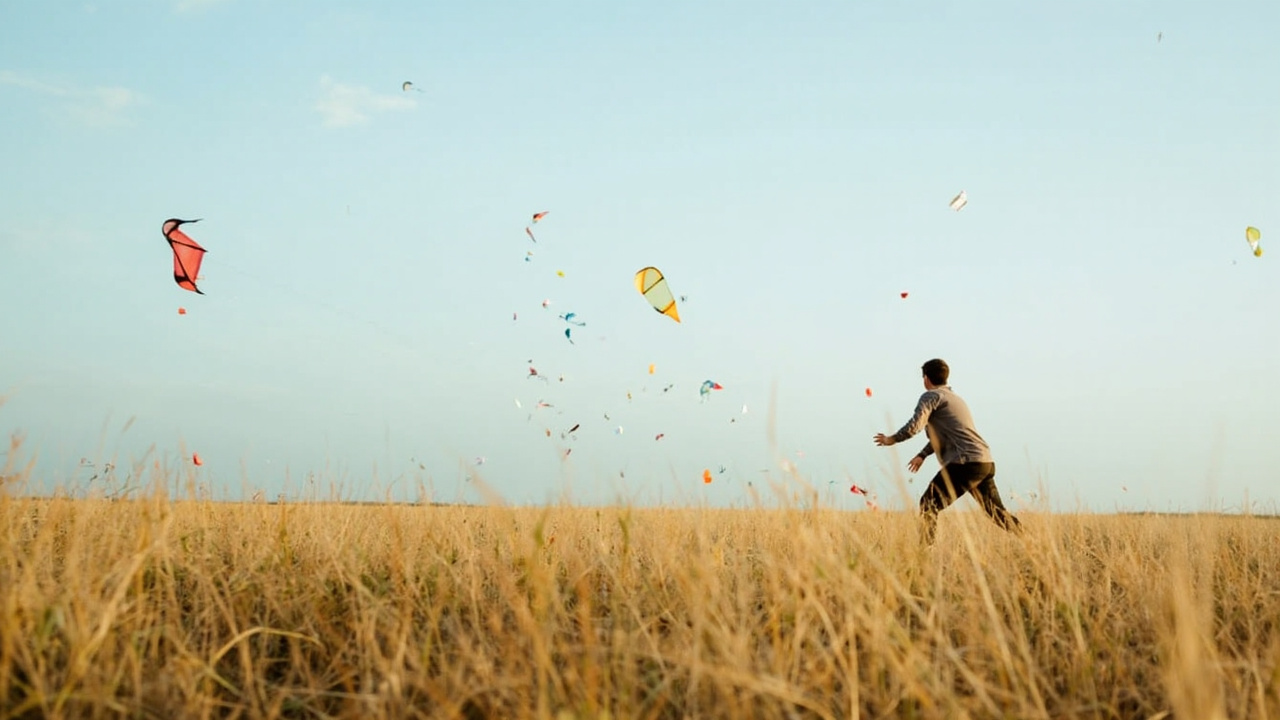
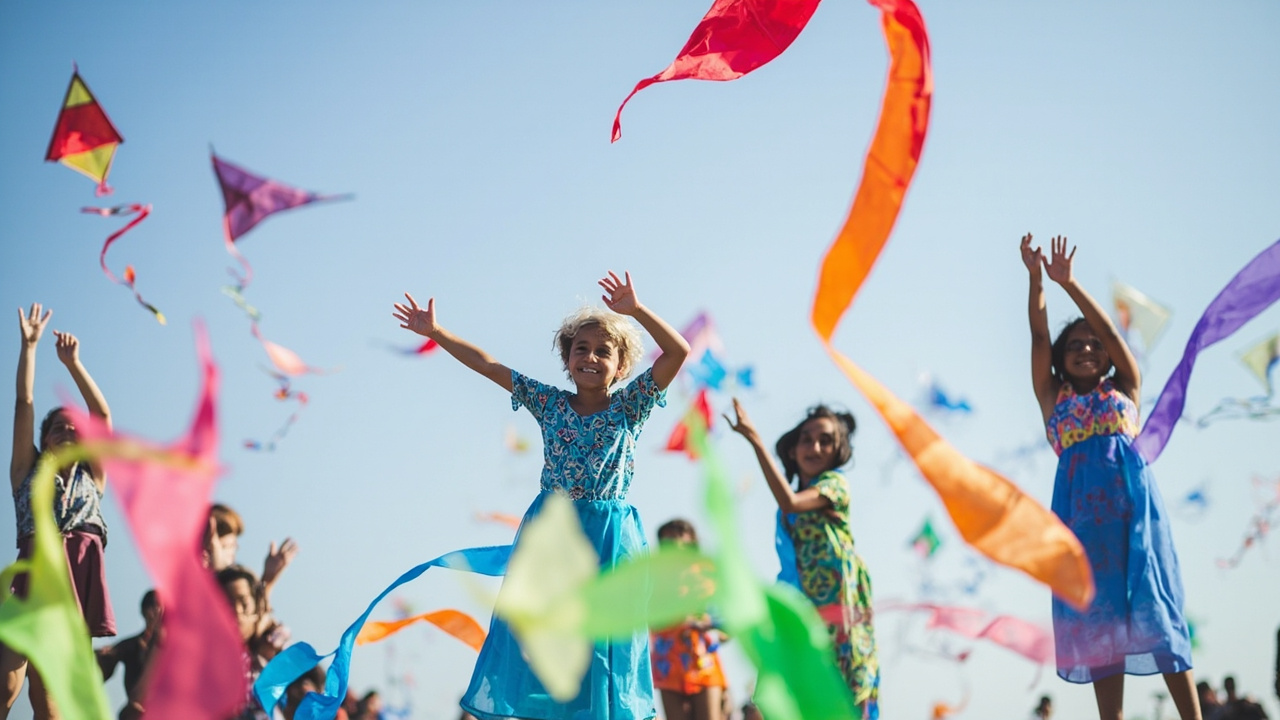
Here is what you see on windy days across China: people of all ages gathered in parks and open spaces, faces turned skyward, controlling the graceful movements of kites. The diamond-shaped and dragon-shaped kites dance overhead, connected to their handlers by simple string.
Chinese kite culture extends far beyond casual recreation. Kites serve as ancient technology for scientific observation, religious ceremonies, and artistic expression.
## Historical Origins
Here is where Chinese kite flying began: ancient innovation that predates recorded history.
Archaeological evidence suggests kites existed in China during the Warring States period (475-221 BCE), approximately 2,500 years ago. The legendary philosopher Mozi is credited with inventing the kite around 400 BCE.
Early Chinese kites served primarily military and scientific purposes. Generals used kite-mounted lanterns to signal troop movements under cover of darkness.
The Han Dynasty saw kite flying transform from military technology to popular recreation. By the Tang Dynasty, kite flying had become widespread leisure activity among all social classes.
## The Cultural Significance
Here is what makes kites culturally meaningful: layers of tradition embedded in simple activity.
The dragon kite connects kite flying to Chinese mythology. These elaborate multi-section kites can stretch dozens of meters long.
Kite flying traditionally accompanied the Qingming Festival, when families visited ancestral graves. The spring winds provided perfect conditions for kite flights.
The saying kite flying can dispel bad luck reflects traditional beliefs about the activity’s spiritual benefits.
## Scientific and Technical Knowledge
Here is how kites represented advanced technology: engineering principles mastered centuries ago.
Traditional Chinese kite construction required sophisticated understanding of wind dynamics, structural engineering, and material science.
The materials selected for kite construction demonstrated Chinese knowledge of textile technology. Silk provided lightweight strength for premium kites.
Kite flying conditions were predicted using traditional weather knowledge. Successful kite flyers developed intuitive understanding of meteorological patterns.
## Regional Traditions
Here is how different regions developed distinctive kite cultures: diversity within unified tradition.
Weifang in Shandong Province has become famous as the World Kite Capital, hosting international kite festivals annually.
Southern Chinese kite traditions emphasize different designs and flying techniques compared to northern practices.
Tibetan Buddhist kite traditions involved ceremonial kite flying with specific spiritual intentions.
Overseas Chinese communities maintained kite flying traditions as connection to ancestral homeland.
## The Social Experience
Here is why kite flying creates community: shared activity that bonds participants.
Families gather for kite flying outings, with members of all ages participating. Grandparents share traditional knowledge with grandchildren.
Kite flying clubs and informal groups create social networks centered on the activity.
Competitions between kite flyers encourage skill development while creating spectacle for spectators.
## Health and Wellness Benefits
Here is what kite flying provides for physical and mental health: exercise disguised as recreation.
The preparation and launching of kites requires physical activity that improves coordination and strength.
Mental focus required for kite control provides meditative distraction from daily worries.
Spending time outdoors in open spaces provides exposure to fresh air and natural light.
## Modern Adaptations
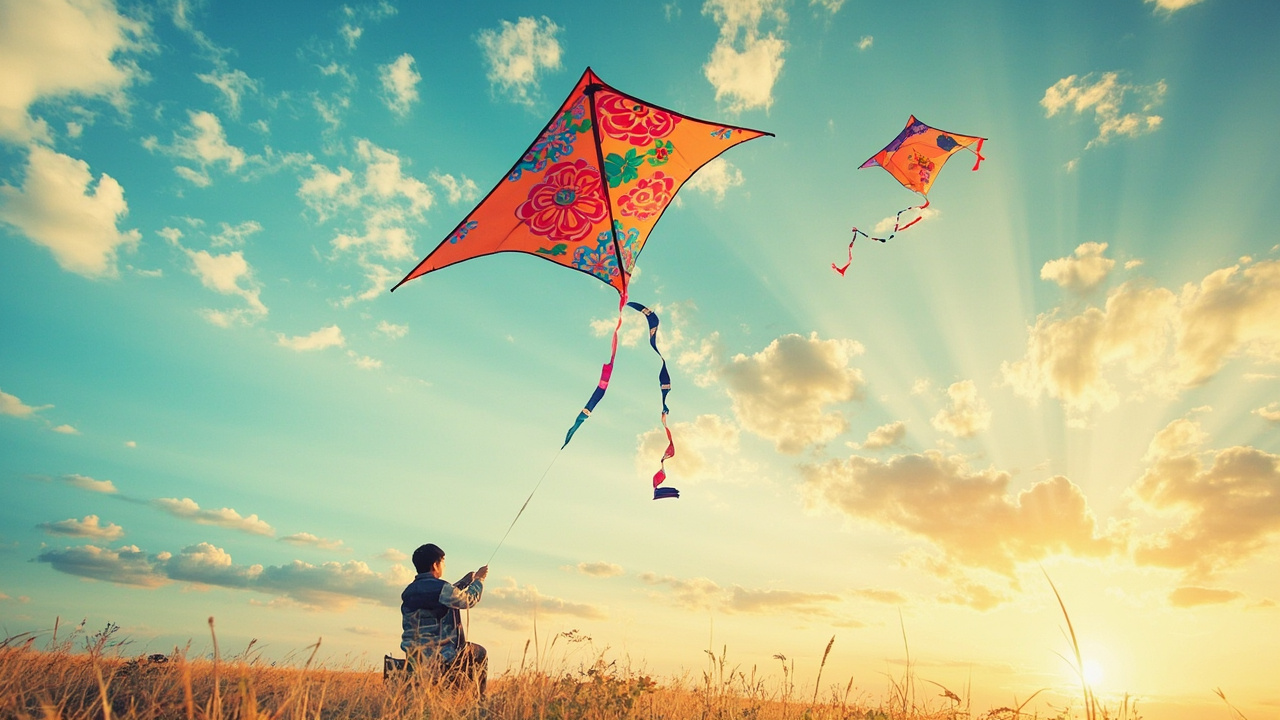
Here is how kite flying has evolved in contemporary China: tradition meeting modernity.
Modern materials have transformed kite construction without eliminating traditional techniques.
Kite fighting has become popular competitive activity, where flyers attempt to cut opponent kite strings.
Drone technology has created new aerial recreation options, but kite flying maintains dedicated following.
Kite festivals have become major tourism events, attracting international participants.
## The Art of Kite Making
Here is what traditional Chinese kite craftsmanship involves: artistic skill meeting technical knowledge.
Kite painting provides canvas for artistic expression, with elaborate designs depicting mythology.
The construction of traditional kites follows precise techniques passed through generations of craftsmen.
Professional kite makers continue practicing traditional techniques while innovating new designs.
## The Truth
So why do Chinese people love flying kites?
Because the tradition extends back over two thousand years, accumulating cultural significance. Because kites have served military, scientific, artistic, and spiritual purposes beyond mere recreation.
Because kite flying provides comprehensive wellness benefits for physical and mental health. Because the social dimensions create community bonds and intergenerational connection.
Because regional traditions have developed distinctive kite cultures across China. Because kite festivals showcase the best of kite making and flying skill.
Because kite flying offers unique pleasure that cannot be replicated by modern technology.
The next time you see kites dancing in a Chinese sky, understand what you are witnessing. Two thousand years of accumulated tradition. A synthesis of science, art, and recreation.
That is why Chinese people love flying kites.
## Related Articles
– [Why Do Chinese People Celebrate Spring Festival (Chinese New Year)?](https://www.askwhys.com/why-do-chinese-people-celebrate-spring-festival-chinese-new-year/)
– [Why Do Chinese People Love Fireworks?](https://www.askwhys.com/why-do-chinese-people-love-fireworks/)
– [Why Do Chinese People Celebrate Qingming Festival?](https://www.askwhys.com/why-do-chinese-people-celebrate-qingming-festival/)