Why Do Chinese People Love Fireworks?
Why Do Chinese People Love Fireworks?
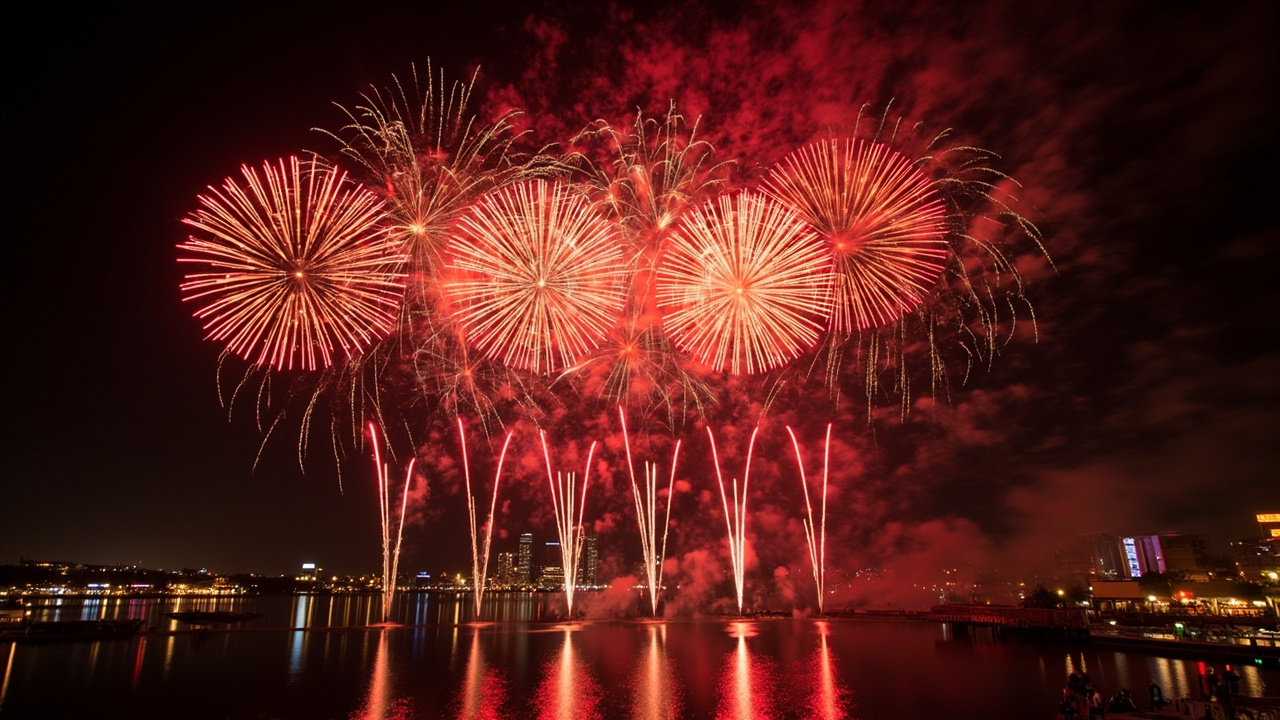
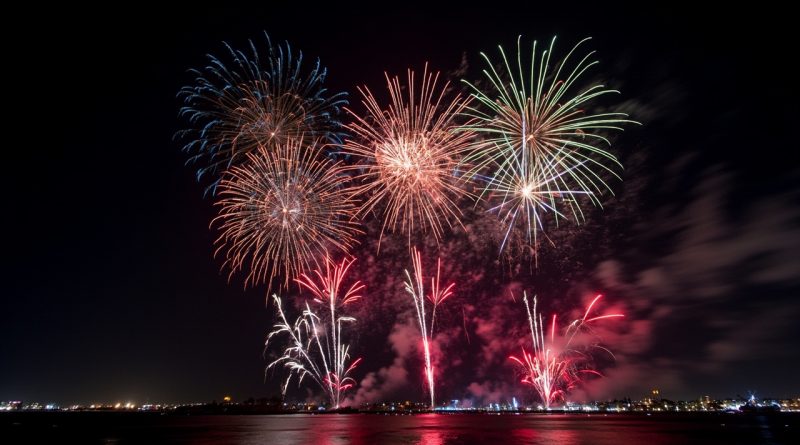
Here is what you experience attending any Chinese celebration: the explosive sounds and spectacular light displays of fireworks filling the sky. The crackling booms and colorful explosions create an atmosphere of joy that no other entertainment matches. From Spring Festival to weddings, from grand openings to sporting victories, fireworks transform ordinary occasions into unforgettable celebrations.
China invented fireworks and remains the world’s largest producer and consumer. The traditions surrounding fireworks in China extend far beyond mere entertainment. Fireworks serve spiritual purposes, mark important life transitions, and express collective emotions that bind communities together.
The love of fireworks seems almost paradoxical given modern concerns about noise pollution, safety hazards, and environmental impact. Yet Chinese communities worldwide continue embracing fireworks with enthusiasm that surprises those unfamiliar with the tradition. Understanding why requires examining the historical, cultural, and emotional dimensions that make fireworks inseparable from Chinese celebrations.
## Historical Origins
Here is where fireworks originated: Chinese innovation that changed celebration forever.
The discovery of gunpowder during the Tang Dynasty (618-907 CE) led almost immediately to firework development. Early Chinese chemists seeking immortality elixirs instead created the mixture that would transform both warfare and celebration. The same volatile compounds that would revolutionize weaponry found peaceful application in explosive entertainment.
The earliest fireworks were called炮竹 or pengzhu, meaning bamboo crackers. These primitive versions consisted of爆竹, sealed bamboo tubes filled with gunpowder. When ignited, the explosive force produced loud bangs as the bamboo split. The name炮竹 directly references this original technology.
Historical records from the Song Dynasty (960-1279 CE) describe elaborate firework displays at imperial celebrations. The court employed specialists in firework manufacture and display. These court spectacles established patterns of firework use that spread throughout Chinese society.
Marco Polo reportedly introduced fireworks to Europe following his travels in China. The technology spread rapidly, transforming European celebrations similarly. This global dissemination began with China’s original invention, making fireworks one of China’s most significant cultural exports.
## The Cultural Significance
Here is what makes fireworks culturally meaningful: beyond entertainment to spiritual expression.
Traditional Chinese belief held that loud noises drove away evil spirits. The explosive sounds of fireworks were originally protective magic, intended to purify spaces and drive away malevolent influences. This spiritual dimension gave firework use religious significance that persists in modified form today.
The association between fireworks and joy became deeply embedded in Chinese cultural consciousness. The sounds and sights of fireworks trigger emotional associations with celebration, reunion, and happiness. This conditioned response makes firework presence almost essential for festive occasions.
The collective viewing experience matters as much as the fireworks themselves. Communities gather to watch together, sharing the spectacle as group experience. This shared emotion reinforces social bonds while creating memories that individuals carry throughout their lives.
Fireworks mark temporal boundaries in Chinese culture. The explosion of midnight fireworks on New Year’s Eve signals the transition between years. Wedding fireworks announce the arrival of the bride. Opening fireworks celebrate new beginnings. These temporal markers help individuals and communities organize their experiences.
## The Role in Festivals
Here is how fireworks dominate Chinese festival celebrations: the essential element of festive atmosphere.
Spring Festival (Chinese New Year) represents the peak of firework consumption. Families spend significant money on firework purchases, creating spectacular neighborhood-wide displays. The all-night fireworks on New Year’s Eve create continuous noise that rivals wartime bombardments in intensity.
The reunion dinner on New Year’s Eve concludes with massive firework displays that fill the sky across entire cities. This collective celebration creates shared experience connecting family members, neighbors, and strangers. The sounds and sights unite everyone in common festivity.
Mid-Autumn Festival features firework displays alongside moon viewing and mooncake consumption. The combination of bright fireworks and full moon creates visual spectacle unique to this autumn celebration. The fireworks add excitement to the more contemplative moon appreciation.
Dragon Boat Festival incorporates fireworks as part of the racing competitions. The explosive sounds historically encouraged rowing teams while frightening water demons. The traditional practices survive in modified form at modern dragon boat races.
## The Social Dimension
Here is why fireworks create community: shared experience that bonds people together.
The collective attention directed at common spectacle creates social connection. Strangers become temporary community as they watch together. This shared experience establishes implicit bonds that persist beyond the immediate celebration.
Children’s memories of fireworks create generational continuity. Adults recall their own childhood firework experiences while providing similar experiences for their children. This generational transmission maintains firework traditions across centuries of change.
The competitive element in firework displays encourages community investment. Neighborhoods compete to produce the most impressive displays. This rivalry creates community pride while raising the collective celebration to higher levels.
Firework injuries and property damage create shared risks that communities manage together. The acceptance of these risks reflects collective valuation of the celebration benefits. This community agreement sustains firework traditions despite obvious dangers.
## The Economic Reality
Here is what the firework industry represents: massive commercial enterprise supporting millions.
China produces approximately 90% of the world’s fireworks. The industry employs millions of workers across manufacturing and distribution. This economic significance makes fireworks important beyond their cultural value, supporting livelihoods throughout production regions.
Hunan Province has become the center of Chinese firework production, with Liuyang city particularly prominent. The regional concentration creates specialized workforce and supply chains. This industrial infrastructure would be difficult to replicate elsewhere.
Export markets worldwide depend on Chinese firework production. The combination of manufacturing expertise and cost advantages makes Chinese production globally competitive. This export industry represents significant foreign exchange earnings.
Consumer spending on fireworks in China reaches billions of dollars annually. This commercial activity demonstrates sustained demand despite regulatory pressure. The market dynamics reveal deep consumer preference for firework experiences.
## The Environmental Debate
Here is why fireworks face growing criticism: environmental and safety concerns challenge tradition.
Air pollution from firework displays creates significant particulate matter contamination. The heavy metals and chemicals released affect air quality measurably. Cities have begun monitoring firework-related pollution spikes following celebrations.
Noise pollution affects both humans and animals. The decibel levels of firework explosions exceed safe exposure limits. Pets, wildlife, and noise-sensitive individuals experience distress during celebrations. This negative externality generates growing opposition.
Firework-related injuries send thousands to emergency rooms annually. The most serious injuries involve permanent disability, particularly from illegal or homemade products. These safety failures create pressure for tighter regulations.
Firework debris creates significant cleanup challenges. The paper and chemical residues contaminate waterways and soil. Communities bear the costs of collection and disposal. This environmental burden adds to the regulatory pressure.
## Regional Variations
Here is how different regions celebrate with fireworks: diversity within unified tradition.
Northern China tends toward larger, more spectacular individual displays. The dramatic explosions characteristic of northern fireworks reflect regional personality preferences. The grand scale compensates for shorter duration.
Southern Chinese fireworks emphasize quantity over individual spectacle. Extended periods of continuous firing create ambient celebration rather than dramatic peaks. The prolonged atmosphere suits southern preferences for sustained enjoyment.
Urban displays differ significantly from rural traditions. City fireworks face stricter regulations and smaller per capita consumption. Rural celebrations maintain older patterns with more generous firework use.
Overseas Chinese communities adapt traditions to local contexts. Firework displays at Chinese New Year and weddings connect diaspora communities to homeland traditions. These adaptations maintain cultural links across geographic distance.
## Modern Adaptations
Here is how fireworks have evolved: tradition responds to contemporary pressures.
Drone shows have begun offering alternatives to traditional fireworks in some contexts. These technological alternatives provide spectacle without pollution. The emerging competition may transform firework traditions in coming decades.
Professional firework displays have become sophisticated performances. Choreographed shows set to music appear at major celebrations. These artistic presentations elevate fireworks from random explosions to organized entertainment.
Consumer fireworks have trended toward larger, more dramatic products. The industry responds to consumer preferences for impressive displays. This market pressure encourages increasingly powerful products.
Environmental awareness has led some consumers to reduce firework consumption. Younger generations show somewhat lower enthusiasm compared to elders. This demographic shift may eventually transform firework culture fundamentally.
## The Truth
So why do Chinese people love fireworks?
Because the tradition extends back over a thousand years to China’s original invention. Because the explosive sounds and colorful displays express joy in ways that no other entertainment matches. Because generations of cultural transmission have embedded firework love deeply in Chinese consciousness.
Because the shared viewing experiences create community bonds that single individuals cannot replicate. Because the collective celebration transforms ordinary occasions into memorable events. Because the noise and spectacle communicate emotions that words cannot capture.
Because the industry supports millions of livelihoods and regional economies. Because the competitive displays between neighborhoods encourage investment in celebration. Because even the risks are accepted as the price of joyful gathering.
Because the traditions adapt to modern context while maintaining essential character. Because professional shows have elevated fireworks to art form. Because drone alternatives have not yet displaced the original technology.
The next time you see fireworks filling a Chinese sky, understand what you are witnessing. A thousand-year-old tradition of explosive joy. A community gathering that bonds neighbors and strangers alike. An invention that began in Chinese alchemical laboratories seeking immortality. A celebration that marks life’s most important moments.
That is why Chinese people love fireworks. Because some traditions contain emotional power that transcends rational objection, carrying forward what words alone cannot express through the language of explosive beauty.