Why Is Jade So Important in Chinese Culture?
Why Is Jade So Important in Chinese Culture?
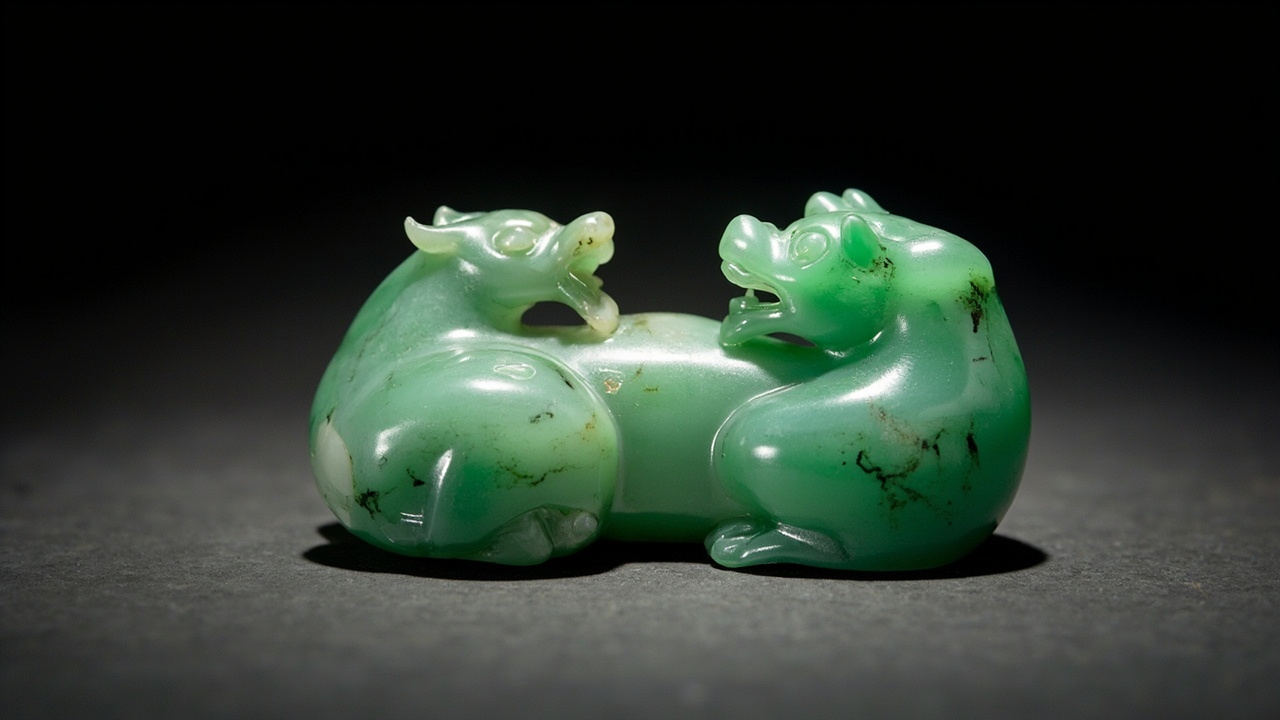
Here is what you see displayed in Chinese museums, auction houses, and jewelry shops: the luminous green of jade, a stone that has captivated Chinese civilization for nearly nine thousand years. The Chinese character for jade, 玉, appears in countless words related to beauty, purity, and nobility. The word for kingdom, Wang, literally means one who rules jade. This cultural significance far exceeds mere aesthetics.
Chinese jade culture represents one of the longest unbroken lapidary traditions in human history. The stone called jade in Chinese is actually two distinct minerals: nephrite and jadeite. Both varieties have been prized throughout Chinese history, though jadeite from Myanmar became particularly valued during the Qing Dynasty.
The importance of jade in Chinese culture rivals or exceeds gold’s significance in Western civilizations. While gold serves as ultimate store of value in many cultures, jade occupies a unique position that combines aesthetic beauty, spiritual significance, and social prestige in ways that no other material matches.
Understanding why requires examining jade’s physical properties, its historical significance, and the cultural meanings that elevated this stone to unparalleled importance in Chinese civilization.
## The Physical Properties
Here is what makes jade distinctive: remarkable characteristics that distinguish it from other stones.
Jade ranks between 6 and 7 on the Mohs hardness scale, making it durable enough for detailed carving while remaining workable. This combination of hardness and structural strength allowed ancient Chinese craftsmen to develop sophisticated carving techniques impossible with harder materials.
The distinctive translucent quality of high-quality jade produces an internal glow that distinguishes it from opaque stones. Light penetrates the stone surface and reflects from internal structures, creating the characteristic luminance that ancient Chinese called的水头. This optical property varies significantly between jade pieces, determining value.
Jade’s fibrous crystal structure makes it exceptionally resistant to fracturing despite its moderate hardness. This toughness allowed jade craftsmen to create thin, delicate carvings without risk of breakage. The technical term jadeite’s fibrous structure enables this remarkable combination of fragility in appearance and durability in practice.
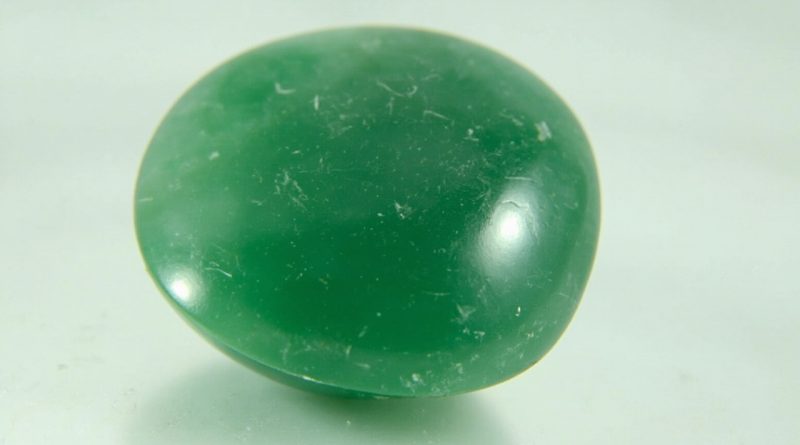
The color range in jade spans from pure white through countless shades of green to lavender, black, and yellow. Each color variety carries distinct cultural significance. The vivid imperial green called 帝王绿 commands astronomical prices in modern markets, while white jade called羊脂玉 represents traditional aesthetic ideals.
## Historical Significance
Here is where jade culture began: archaeological evidence revealing ancient origins.
Archaeological discoveries at the Xingluda site in northeast China dated jade artifacts to approximately 7000 BCE. These early jades show sophisticated carving techniques that imply even earlier developmental stages. The presence of jade at burial sites suggests spiritual significance from the earliest periods of Chinese civilization.
The Liangzhu culture of the Yangtze River Delta (3400-2250 BCE) produced remarkable jade ceremonial objects. The bi, circular discs with central holes, and cong, tube-shaped objects, appear in quantities suggesting organized ritual use. These forms established conventions that persisted through subsequent dynasties.
During the Han Dynasty (206 BCE – 220 CE), jade’s significance expanded beyond ritual use to encompass broader cultural meanings. The concept of jade as embodiment of virtue became formalized in Confucian philosophy. The Five Virtues of jade (仁, 义, 智, 勇, 洁) codified the relationship between stone and character.
The Song Dynasty (960-1279 CE) saw jade transition from exclusive elite use toward broader social access. Merchant classes acquired jade objects, democratizing what previously remained aristocratic privilege. This social expansion accelerated jade’s cultural integration across Chinese society.
## The Spiritual Significance
Here is why jade became spiritually significant: the concept of jade as spiritual conduit.
Traditional Chinese belief held that jade could preserve the body after death. Jade burial suits, sewn with hundreds of jade pieces, represented ultimate expenditure to ensure immortality. This practice peaked during the Han Dynasty among imperial families and highest aristocrats.
The concept of jade as conduit for spiritual energy appears throughout Chinese religious practice. Taoist practitioners used jade tablets in ritual contexts. Buddhist scriptures describe jade as appropriate offering to spiritual beings. The stone’s spiritual applications extended across Chinese religious traditions.
Feng shui principles assign jade protective properties against negative energies. Jade objects placed at entrances or in living spaces supposedly deflect harmful influences. This protective function combines with aesthetic appeal to make jade particularly valuable for home decoration.
The traditional Chinese medicine system attributes healing properties to jade. Jade belts were worn to support腰部 health. Jade pillows supposedly improved sleep quality. While modern medicine has not validated these claims, the traditional beliefs contributed to jade’s perceived value.
## Jade and Confucian Values
Here is how Confucian philosophy elevated jade to moral symbol: virtue embodied in stone.
Confucian scholars compared jade’s qualities to human virtues in elaborate metaphysical framework. The smoothness of fine jade represented kindness. The internal luster symbolized intelligence. The texture suggested loyalty and integrity. The sharp edges at jade’s boundaries represented courage.
The classical text called Jade in the Book of Rites specified jade’s ceremonial use in Confucian rituals. The ritual discs, bells, and vessels made from jade served as religious implements in imperial ceremonies. This formal role in state rituals reinforced jade’s association with proper governance and social order.
Imperial edicts were issued on jade tablets, conferring authority and permanence on imperial communications. TheTablet of Yu,记录了大禹的功绩,remains one of Chinese civilization’s most sacred objects. This documentary use gave jade documentations a sacred character that paper and silk lacked.
The concept of the君子, the noble or superior person, explicitly included jade symbolism. The phrase 玉不琢不成器 suggested that jade requires carving to realize its potential, paralleling human development through education. This metaphorical connection made jade central to Chinese educational philosophy.
## The Aesthetic Dimension
Here is what makes jade beautiful: the artistic traditions that developed around the stone.
Chinese jade carving developed techniques unmatched anywhere else in the world. The characteristic motif of dragons, phoenixes, and other symbolic figures emerged during the Han Dynasty. These ornamental styles established visual vocabularies that persisted across subsequent dynasties.
The Beijing jade carving school emphasized detailed, naturalistic designs. Theyangliuqing style featured elaborate figural scenes requiring extraordinary technical skill. These complex compositions demonstrated the carver’s mastery while conveying elaborate symbolic meanings.
The Suzhou jade carving tradition emphasized refined elegance over dramatic impact. The subtle beauty of Suzhou pieces required close examination to appreciate. This understated aesthetic matched broader Chinese preferences for refinement over ostentation.
Modern jade carving has adapted traditional techniques to contemporary tastes. Contemporary artists combine traditional motifs with modern design sensibilities. This living tradition maintains jade’s cultural relevance among younger generations.
## Jade in Social Practice
Here is how jade functions in Chinese society: beyond museum piece to active social currency.
Jewelry made from jade appears throughout Chinese daily life. Jade bracelets, earrings, and pendants serve as everyday adornment. These personal ornaments often carry family significance, passed down through generations. The inherited jade piece connects wearers to ancestors while conveying current status.
The gift-giving culture around jade reinforces social relationships. Presenting jade to elders demonstrates respect. Giving jade between romantic partners symbolizes sincere affection. The careful selection of jade gifts communicates the giver’s regard for the recipient.
The business culture in China often incorporates jade. Businesspeople wear jade pieces believed to bring good fortune. The entrepreneurial concept of jade bringing luck influences purchasing decisions. This commercial dimension reinforces jade’s economic value while maintaining cultural significance.
The wedding tradition of giving jade to bride demonstrates jade’s social functions. The bride’s jade pieces, often family heirlooms, symbolize the connection between families. This ceremonial exchange reinforces social bonds through material objects carrying deep symbolic meaning.
## Imperial Jade
Here is what made jade essential for Chinese emperors: imperial monopoly and symbolic power.
The Emperor’s Seal, made from jade and called the 传国玉玺, represented legitimate rule over China. The succession of imperial seals passing between dynasties symbolized continuity of authority. Possession of the jade seal legitimized claims to the Mandate of Heaven.
Imperial robes featured jade ornaments indicating rank and office. The jade buttons, belt pieces, and hat decorations communicated status at a glance. This visual coding system using jade reinforced social hierarchies through material symbols.
The imperial jade workshops employed thousands of artisans dedicated to producing objects for court use. These state monopolies controlled the finest jade sources and concentrated the most skilled craftsmen. The imperial patronage maintained jade production quality while limiting access to elite circles.
The Qianlong Emperor (1711-1799) was particularly passionate about jade, amassing enormous collections and commissioning countless works. His personal involvement elevated jade’s cultural status while establishing aesthetic standards that remain influential. The Qianlong era represents jade culture’s apex.
## Modern Jade Market
Here is how jade functions today: tradition meets contemporary commerce.
The jade market in modern China generates billions of dollars annually. The most valuable jadeite pieces sell for millions of dollars at auction. This commercial activity demonstrates jade’s continued cultural significance despite political and social transformations.
Myanmar (Burma) supplies most of the world’s jadeite, but Chinese demand drives global prices. The jade trade has created significant economic activity in Myanmar while generating complex geopolitical dynamics. The cultural connection between China and jade transcends national boundaries.
The luxury goods market includes jade alongside diamonds, gold, and other premium materials. Jade jewelry brands have developed international recognition. These commercial developments maintain jade’s relevance in modern consumer culture.
Younger Chinese consumers have developed new relationships with jade that differ from traditional patterns. Contemporary jade designs appeal to modern aesthetic sensibilities. This adaptation demonstrates jade culture’s ability to evolve while maintaining essential character.
## The Global Context
Here is how jade compares globally: Chinese dominance of jade culture.
While jade exists in other cultures, including Mesoamerican and Maori traditions, Chinese jade culture dwarfs all others in duration and sophistication. The nine-thousand-year unbroken tradition represents unparalleled lapidary achievement. This historical depth explains jade’s central position in Chinese cultural identity.
Museum collections worldwide display Chinese jade objects as exemplars of human artistic achievement. The technical skill and aesthetic sophistication of Chinese jade carving attract scholarly attention. This international recognition validates jade’s artistic significance beyond its cultural context.
The international art market recognizes Chinese jade’s exceptional quality and historical importance. Auction records for Chinese jade objects demonstrate strong demand among global collectors. This commercial validation confirms jade’s status as world-class artistic medium.
Cultural diplomacy sometimes uses jade objects to represent Chinese civilization. The gift of jade to foreign leaders demonstrates the stone’s symbolic power in international contexts. This soft power application leverages jade’s cultural significance for diplomatic purposes.
## The Truth
So why is jade so important in Chinese culture?
Because the physical properties of jade enabled artistic and technical achievements unmatched in human history. Because nine thousand years of continuous use established cultural significance that no other material matches. Because jade’s beauty combined with durability made it appropriate for civilization’s highest purposes.
Because Confucian philosophy elevated jade to embodiment of virtue, connecting the stone to Chinese moral philosophy. Because imperial patronage concentrated resources and skill on jade production, establishing standards that persist today. Because jade burial practices reflected beliefs about immortality and spiritual preservation.
Because jade functions in contemporary Chinese society as social currency reinforcing relationships and status. Because the jade market continues generating enormous economic activity. Because younger generations have adapted jade culture to contemporary contexts while maintaining essential significance.
Because jade represents one of humanity’s longest artistic traditions, continuous development of sophisticated techniques across millennia. Because the aesthetic achievements of Chinese jade carving represent pinnacle of human creative accomplishment.
The next time you see a jade object gleaming in museum display or jewelry shop, understand what you are witnessing. Nine thousand years of continuous cultural development. A stone that clothed emperors, adorned temples, and symbolized virtue. A material that connects modern Chinese people to their deepest cultural heritage.
That is why jade remains so important in Chinese culture. Because some materials transcend their physical nature, becoming vessels for entire civilizations’ spiritual and aesthetic aspirations.